
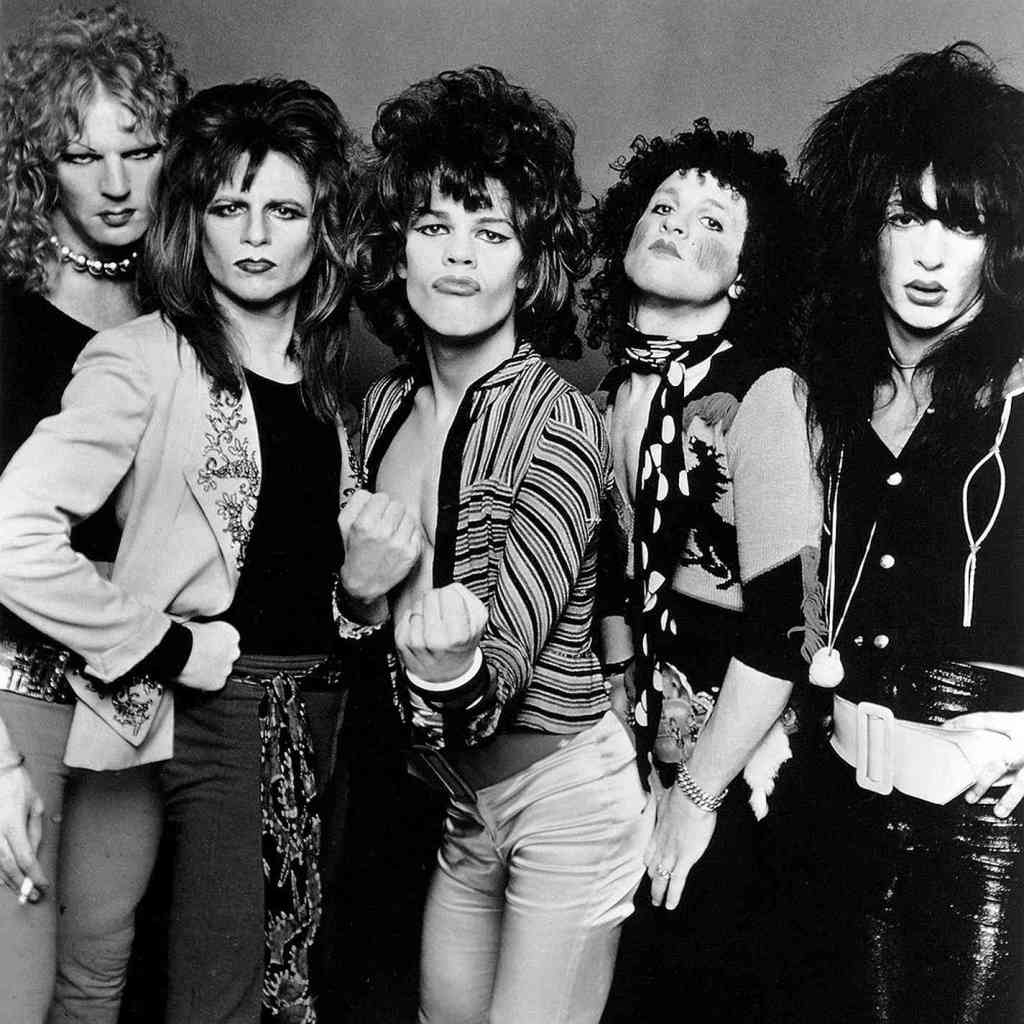
Glam rock, a musical movement that began in Britain in the early ‘70s in celebration of all things camp*, was inspired, at least in part, by the gay liberation movement of the ‘60s.
*(Camp can be defined as being characterised by bright colours, loud sounds, and ‘unusual behaviour’).
Emerging out of this climate of social and cultural conflict and tension regarding the dominance of both heterosexuality and masculinity came artists such as David Bowie and his alter ego Ziggy Stardust the ‘androgynous alien’, Freddie Mercury of Queen, Marc Bolan of T Rex, Elton John, Lou Reed, and Iggy Pop (as just a few prominent examples of glam artists).
One thing that ties all glam artists together?
Their willingness to experiment/to subvert the norms and the acceptable way that things are done.
An explosive, ‘play-at-maximum-volume’ politics to challenge the dominating heteronormative, oppressive, and conservative attitudes of the seventies, both the music and the culture of Glam Rock were a liberating force that challenged prevailing attitudes towards [subverting] gender and sexuality.
In its celebration of liberation from strictly binary notions of masculinity and femininity, an audience of ‘outsiders’ was created, most of whom were fluid in their own identities, relishing the representation they saw on the screen (/stage) at a time when being gay was still a prosecutable offence.
When you make yourself at home on the margins of society, you don’t fret about being accepted by the mainstream.

Intentionally playing around with gender conventions to challenge the status quo, upon dressing themselves up in outlandish, androgynous costumes and unconventional makeup, male musicians, often with their adopted theatrical personas, would take to the stage as an expression of diversity and a ‘fuck you’ to conformity.
Whereas punk rock was more about social class, consider the likes of the sex pistols, for example, and more ‘traditional’ rock (the head-banging kind) was more about exerting displays of more traditional (see also: toxic) masculinity, (in terms of exerting signs of power and dominance), glam rock was all about sexuality and gender.
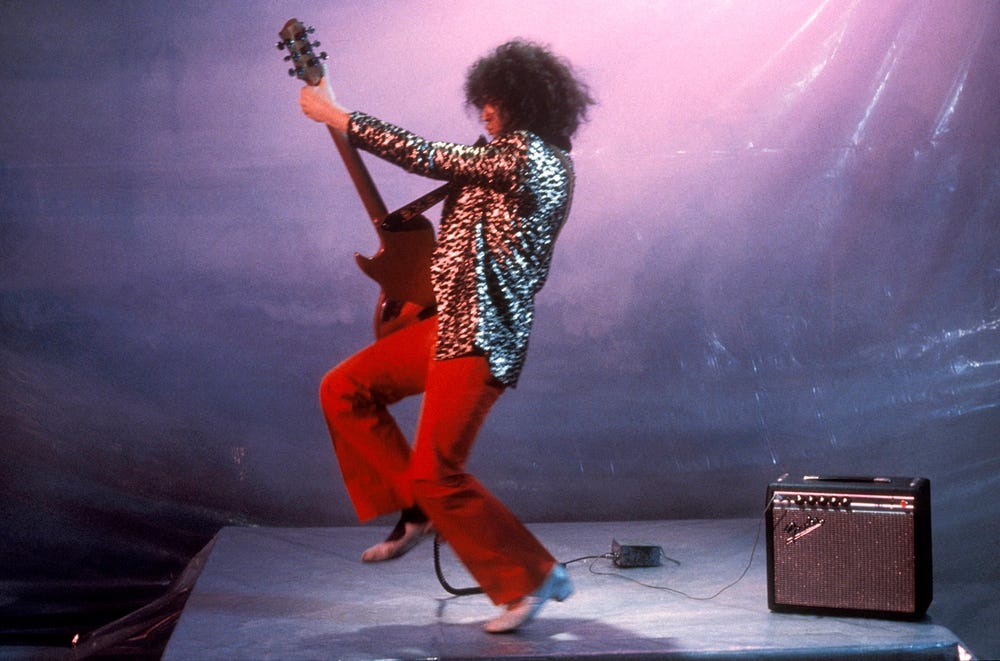
Being heavily influenced by gender performativity and queerness, glam rock was concerned with exploring the boundaries of what it means to be, not a man, not a woman, but an icon.
Girls will be boys, and boys will be girls/It’s a mixed up, muddled up, shook up world.
– The Kinks, Lola.
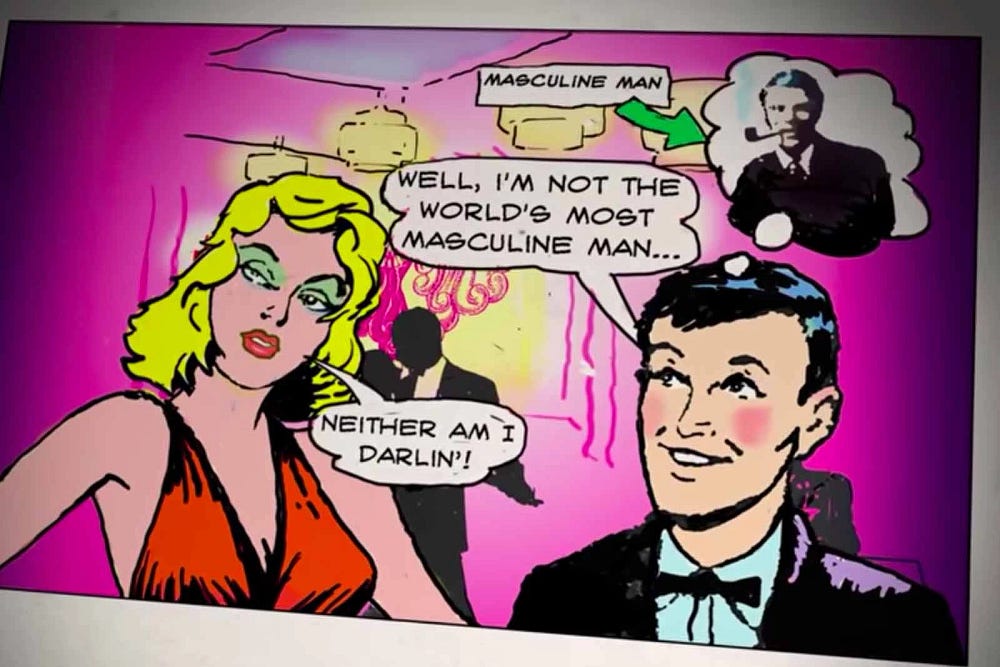
We have much to thank the ’70s for when it comes to liberation from oppression, and for helping society progress toward having freedom of self-expression.
While glam rock was founded from the gay liberation movement of the ‘60s, its mission to challenge the continued prevalence of the cishet culture of the ‘70s allowed people to see that queerness isn’t only ‘acceptable’, but something to be celebrated, too, a sentiment that has been carried forward today.
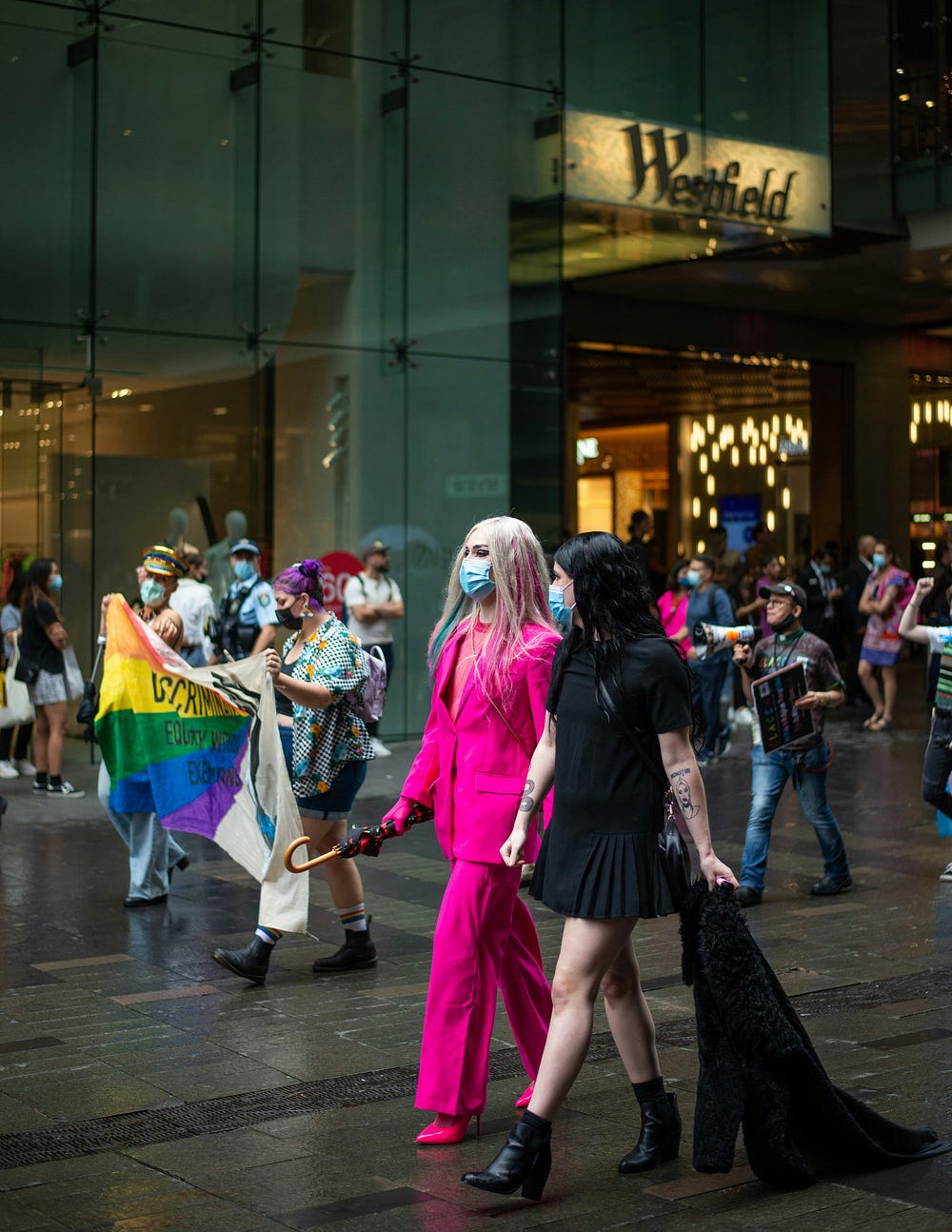
When you see thousands of people screaming Bowie’s name, worshipping a man who was famous for bending allllll the stereotypes, you realise that…
 Portfolio of Hope