

What is a job?
It’s something that adds value to people’s lives.
Who gets to decide what is and isn’t worthy of being classified as a job?
The government.
How do they decide?
Via its profitability.
All jobs are equal, but some jobs are more equal than others.
Despite the arts adding so much value to people’s lives, with so much joy and happiness being sought in both the creation and the consumption of art, unfortunately, it is often regarded as little more than a hobby.
With a severe lack of funding available for aspiring artists and limited job opportunities on offer when it comes to creative professions, most creatives are forced to reimagine their art as a hobby, or as a side hustle if they’re lucky, and get a ‘proper’ job to pay the bills instead.
People subsequently find themselves trapped in a cycle where in order to make their art pay they need to put the time in, devoting their days to finetuning their craft, but in order to be able to put the time in, they need to have a job that pays.
Based on this then, how can one ever find the time to fine-tune their craft when they have no choice but to give their time away to the highest bidder in order to survive?
We can’t afford to make art for a living so we join the rat race of capitalism, but in joining the rat race of capitalism, we never have the time to make art for a living.
And with short-term ‘solutions’ causing long-term problems, we see the same happening in the housing market.
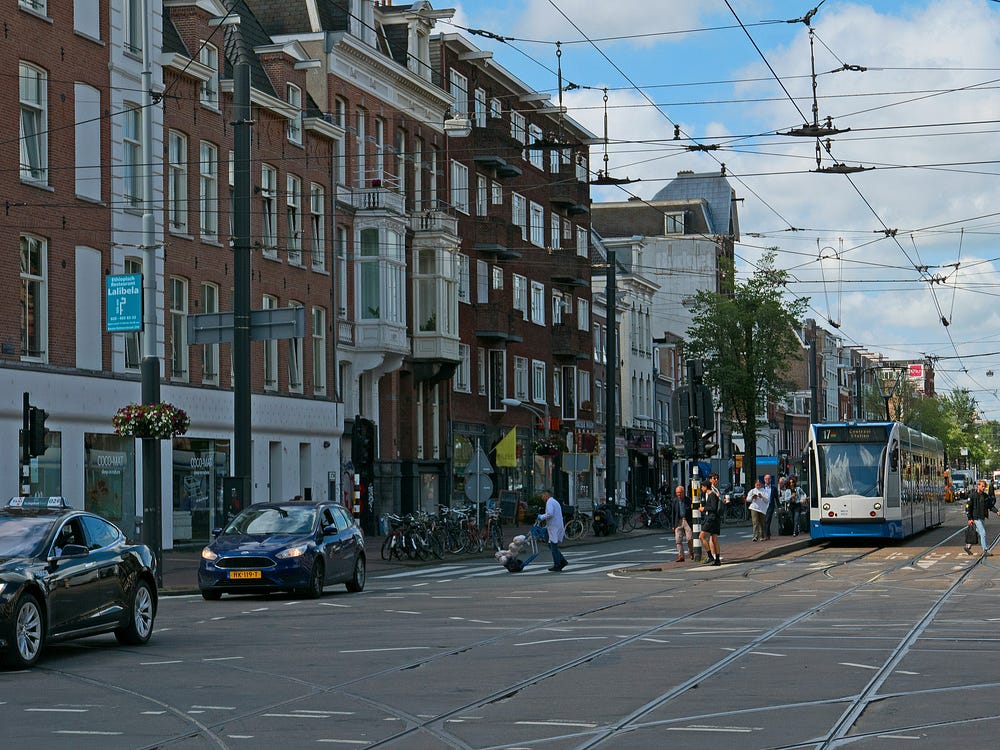
The worsening cost of living and housing crises in London, and other cities where the creative industries are headquartered, have meant that now more than ever, pursuing the arts is an option only for those who don’t have to depend on them to make a living, and those who have the financial freedom to develop their craft.
This is why it’s so important for us all to recognise our privilege (or lack thereof), because no matter how much people might advocate for free will, ‘we all have the same twenty-four hours in the day to do with as we please’, the reality is that while we might all have the same number of hours in the day, what we can do with those hours differs dramatically based on our individual circumstances.
A single mum, for example, cannot afford to quit her full-time job to focus on her art, when Instagram likes and comments don’t put food on the table…
In contrast, a ‘Nepo’ baby, for example, or someone who comes from a family with a lot of money, probably can, knowing that they have a safety blanket in their parents if things don’t work out, a pot of money for a rainy day, and no pressing thought of, ‘Will I be able to feed my child tomorrow if I do this today?’, hanging over them…
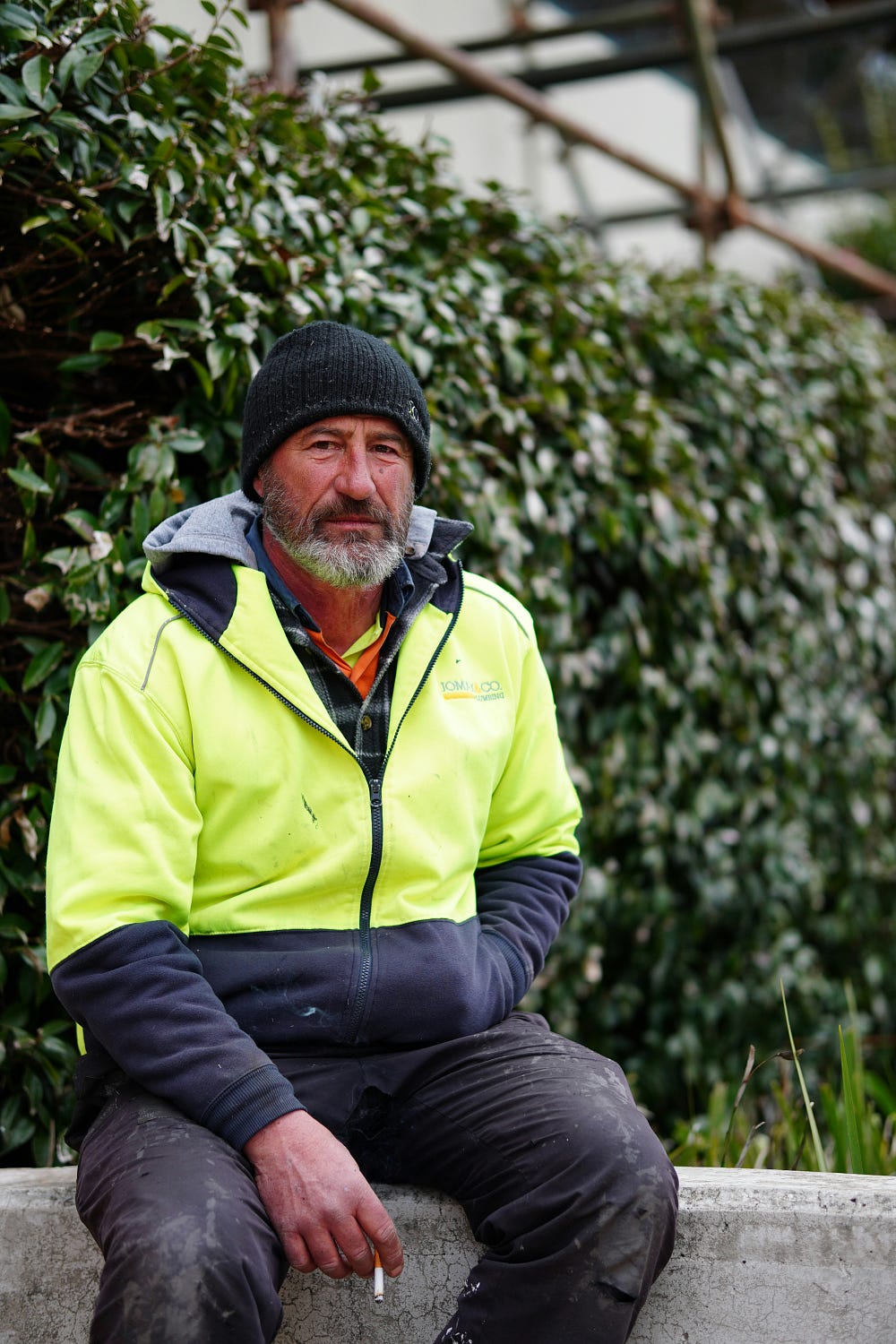
The Class Ceiling: When It Pays To Be Privileged…
A survey commissioned by Create London found that 76% of respondents working in the arts had at least one parent working in a managerial or professional job while they were growing up and that over half had at least one parent with a degree while growing up.
When this is paired with the fact that nearly 90% of respondents had worked for free at some point in their career, the research paints a bleak picture that if young people don’t have parents that are able to support them in their pursuit of a creative career then it is extremely hard to break into the industry.
Unfortunately, it really is about who you know, not what you know in the vast majority of cases…
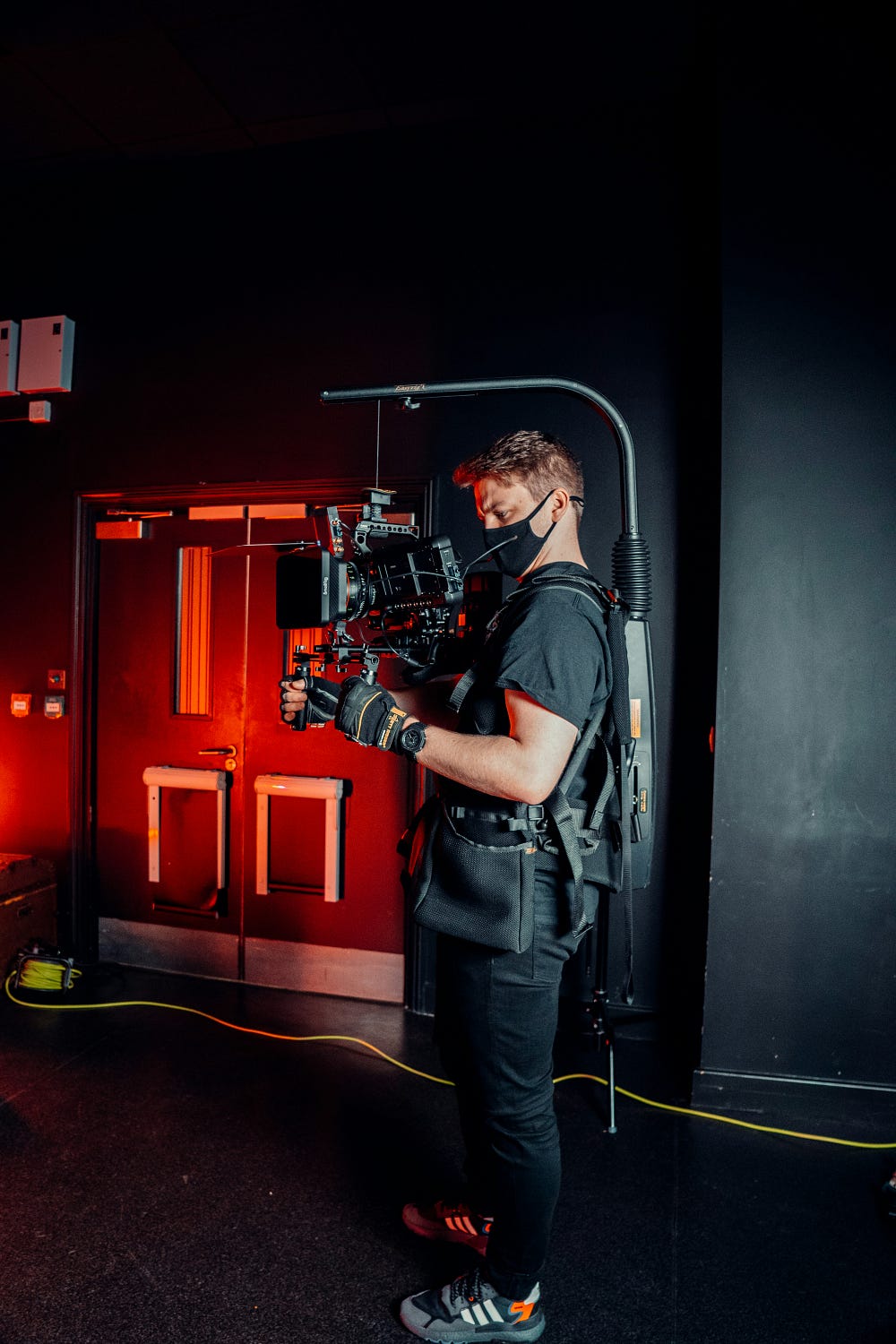
Golden Globe-winning actor Emily Blunt said in an interview that her career ‘fell into her lap’ after she was head-hunted through her private school’s drama programme.
Her first real non-school play was opposite Dame Judi Dench.
It must be nice…
Talent is everywhere, opportunity isn’t.
The arts sector is a closed shop where the worlds of TV, film, music, and the arts are dominated by “straight, able-bodied white men living in London”, despite such a democratic only accounting for 3.5% of the population.
Furthermore, despite just 7 percent of the British population being privately educated, privately educated actors make up much of the talent pool, as a 2016 report from the Sutton Trust revealed, where two-thirds (67%) of British Oscar winners were privately educated…
Why? Because of cuts to funding for the arts in state schools.
Art, in its requirement of us to create something original and new, is one of the few things that can increase our chances of social mobility. Unable to say where it could lead, you could submit an article to a magazine today and get published tomorrow.
Is this why funding for the arts is cut in state schools then, unlike in private schools where the arts are celebrated? As a way to keep the working class ‘in their lane?’ James McAvoy thinks so (see the video linked below).
Art is amongst one of the most elite occupations in the entire British economy, with key creative roles now being more dominated by people from privileged backgrounds than doctors, judges, management consultants, and stockbrokers.
We see art galleries, for creation and consumption purposes, being filled with predominantly white, middle-class men. Why? Because middle-class people are twice as likely to work in the creative industries than working-class people.
What’s more, a third of the workforce in the creative industries is actually upper-middle class — elite private school or raised-by-a-nanny territory.
With an obvious, and perhaps inevitable relationship between who makes decisions in commissioning, and the kinds of stories that get made, particularly worrying is how the people who are in the position to effect change are the very people who most strongly support such classist inequality in the arts in the first place…
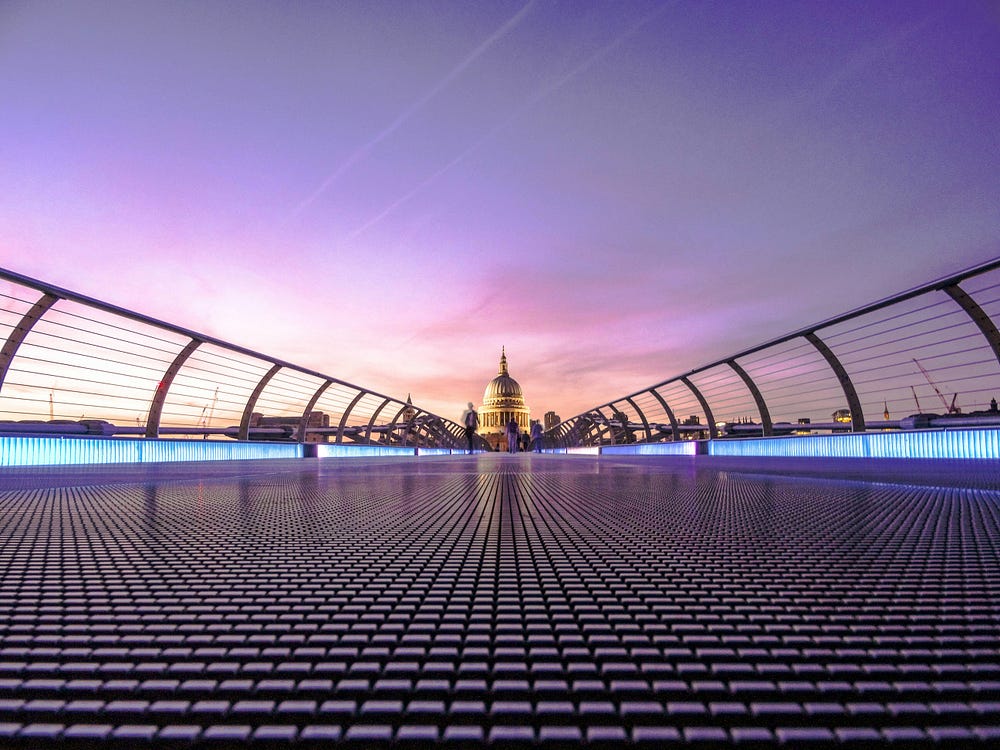
When TV commissioners and publishers come from an elite social background, as we have established they overwhelmingly do, they have a narrower view of what is ‘interesting.’
This means that with fewer film directors, authors, and songwriters to describe the experience of growing up working-class, their stories are being squeezed out of culture or confined to “poverty porn”.
Working-class voices and their lens on life are disappearing, and their stories are being told through the inaccurate prism of the privileged.

When it is the humble background of the working-class creative, however, that gives them the resilience and the creative point of difference to be the artists they are today, we are artists, no matter where we come from or if we have had a leg-up to get there.
United by a common uncommon experience, we are artists.
(Can we say it louder for the people at the back).
(artists who would really appreciate some more funding, please and thank you).
 Portfolio of Hope