

Since Hamas invaded Israel in October 2023, and Israel subsequently retaliated by launching a bloody attack in Gaza, over 46,000 Palestinians have been killed and over 109,000 wounded.
Women and children make up half of this death toll.
There have been calls for a ceasefire since the war began, with people going out in their droves armed with handmade signs and microphones demanding that our world leaders do something.
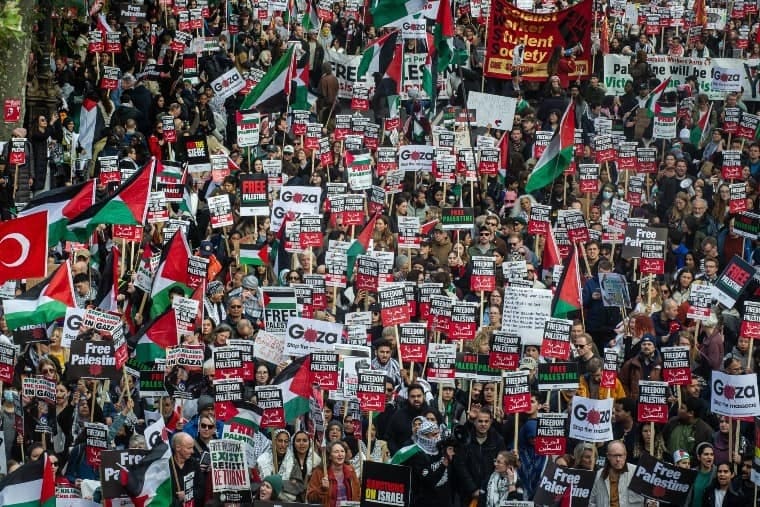
On Saturday the 11th of November 2023, records were broken when over one million protestors flooded the streets of London to stand in solidarity with the people of Palestine and demand a ceasefire, (an end to the fighting, or at the very least a pause to allow innocent civilians to escape), but all to no avail.
The fighting continued.
Lives kept being lost.
Yesterday, however, on Wednesday the 16th of January, we got a glimpse of hope when Israel’s Prime Minister, Benjamin Netanyahu, announced that there would be a ceasefire this Sunday (19/01/25).
While this is of course a welcome relief, the worry is what exactly the ceasefire will entail…
In other words, is it an end to the war, in which case families can be reunited and the fear of death that lingers in the air can be overcome, finally, or is it simply just another temporary pause until the Israeli army starts firing bullets into Gaza again?
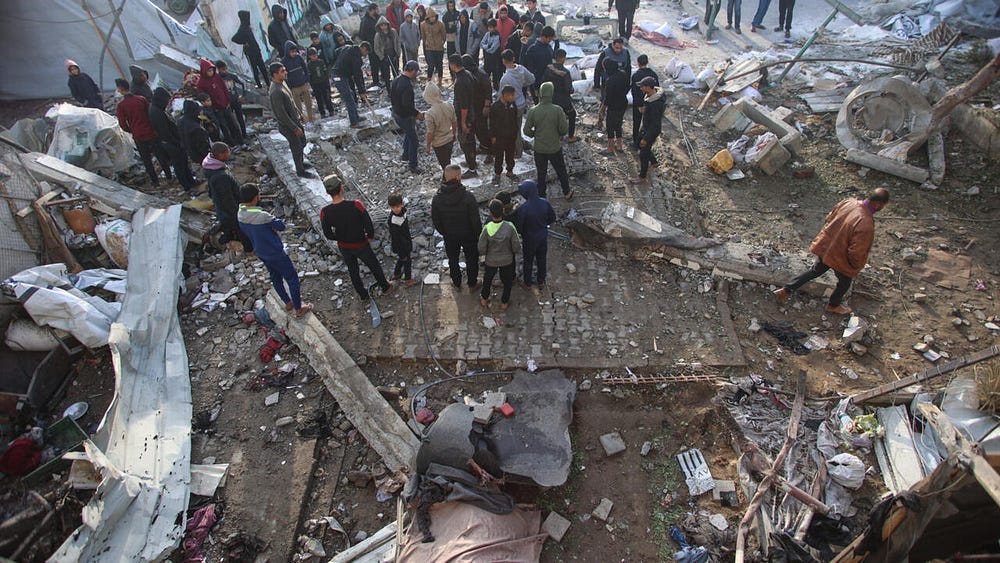
Before we can celebrate the end of this bloodshed, we first need to make sure that this will indeed be the end of this bloodshed…
Is it the end?…
Israel and Hamas have agreed a ceasefire to halt* the 15-month war in Gaza and free the remaining hostages, mediators have said. What they have not said, however, is whether or not the war is over.
*Note the word ‘halt’ (noun): ‘A suspension of movement or activity, typically a temporary one.’
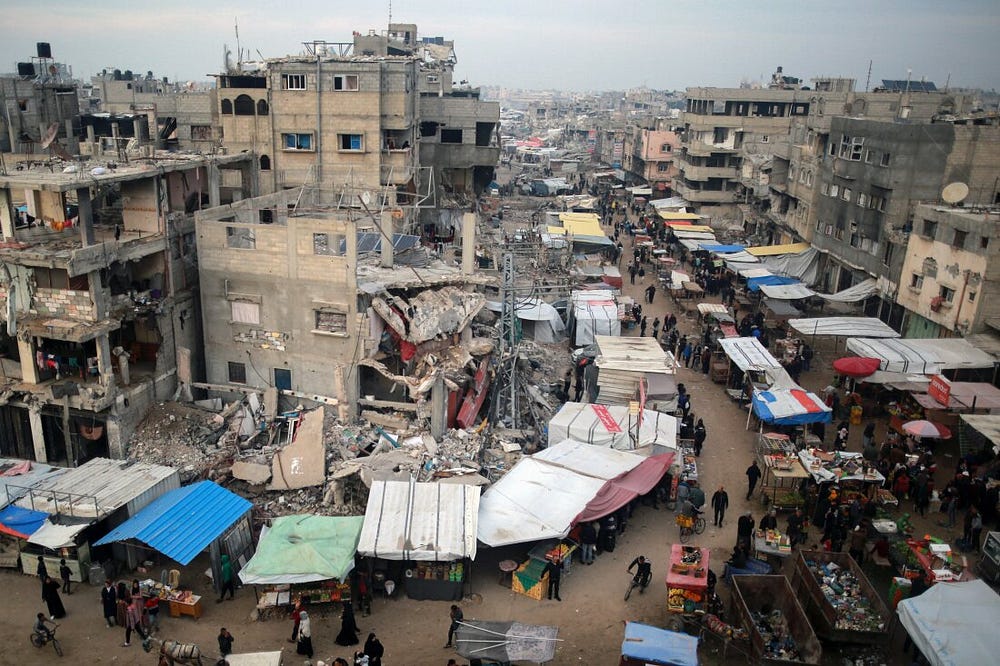
How would the ceasefire work, exactly?
The ceasefire is expected to happen in three stages.
Stage 1: The first stage would last six weeks and see “a full and complete ceasefire”. This would include the release of hostages in Gaza and Palestinian prisoners in Israel. Gazans who have been displaced would be allowed to start returning home, and a number of hostages held by Hamas would be released in exchange for hundreds of Palestinian prisoners.
During this stage, Israeli troops would pull out of all populated areas of Gaza, thus allowing Palestinians to return to their neighbourhoods.
There would also be a surge in humanitarian aid deliveries to Gaza during stage one of the deal.
Stage 2: The second stage would signify a permanent end to the war. There would be a full withdrawal of Israeli troops from Gaza, and the remaining hostages would be released in return for more Palestinian prisoners.
Stage 3: The third and final stage would involve the reconstruction of Gaza — something which could take years — and the return of any remaining hostages’ bodies.
The priority now must be to ‘ease the tremendous suffering caused by this conflict’, officials say.
So, why is the suffering continuing?

Unfortunately, just a few hours after the ceasefire deal was announced to the international press, dozens of Palestinians were killed in Israeli strikes.
The dead reportedly include 21 children and 24 women.
“It was a bloody night,” Dr Eliwah said, over the phone from Gaza City. “We did not rest for one minute. The injured kept on coming. The dead we sent directly to the morgue.”
Alas, ‘happy, but not breathing’ is the sentiment in Gaza at the moment, for until there is proof that the war has ended, freedom will never be.
 Portfolio of Hope