
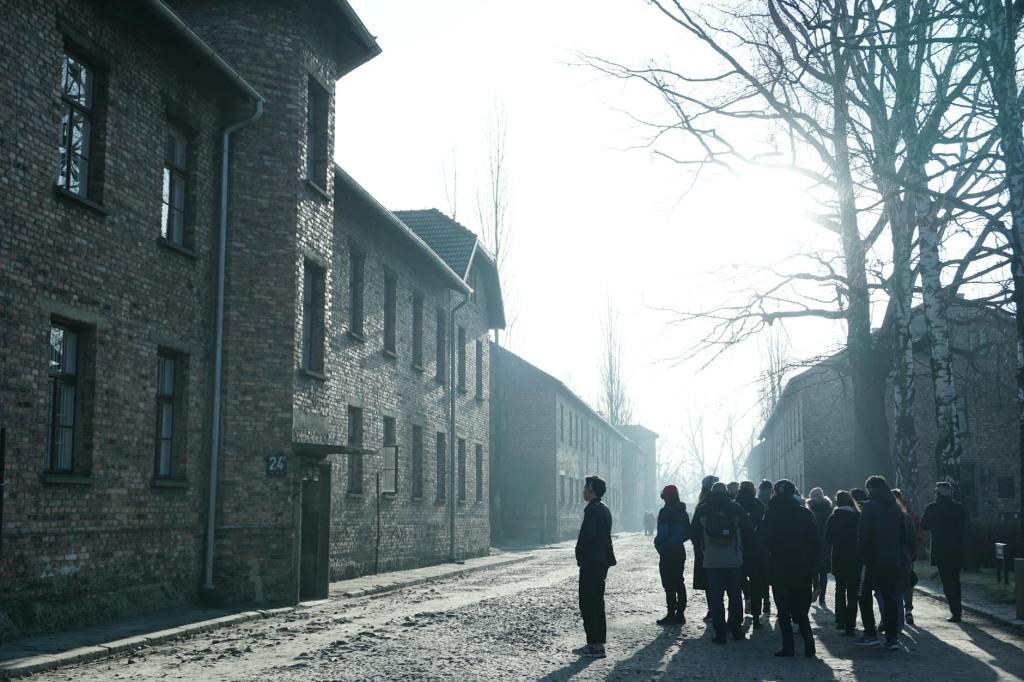
During the First and Second World Wars, the Nazi regime led extensive efforts to control and shape German society and culture through the suppression of modernism. Many modern artists were deemed to be ‘sick’ and ‘immoral’ and labelled ‘degenerates’ off the back of this.
It was believed that modernist art could lead to “a contempt for the traditional views of custom and morality.’ As a result, it was taken and either destroyed (in March 1939, the Berlin Fire Brigade burned around 4000 paintings) or transferred to a gallery whose sole purpose was to mock modern art.
A rejection of history and conservative values (such as realistic depiction of subjects), and innovation and experimentation with form (the shapes, colours, and lines that make up the work), with a tendency to abstraction, are the underlying characteristics of modernist art.
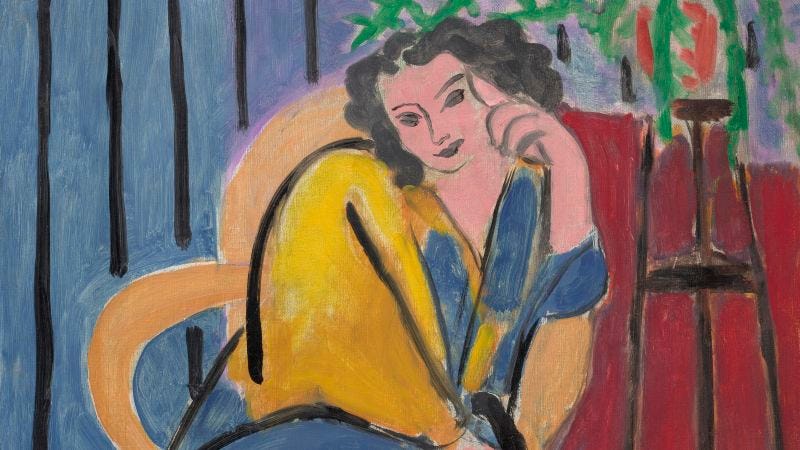
The modernist movement itself emerged during the late 19th century, largely as a means to revolt against the societal, cultural, and philosophical shifts caused by the Industrial Revolution, technological advancements, and rapid urbanisation.
People, having become exhausted by conservative, traditional values, sought to express the new realities of a rapidly changing world, and many chose to do so via art, emphasising themes like fragmentation, alienation, and identity in their work, while criticising the social order and worldview of the 19th-century bourgeoisie. Expressing art in such a way, however, was ‘bad’, according to Hitler. The only good art (see also: boring art) was supposedly that which respected old traditions and rules.
The Nazi attack on modern art was really an attack on hope. More than anything, it was a culture war.
Alas, as Heinrich Heine, the German poet, once poignantly remarked,
Wherever they burn books, they will, in the end, burn human beings, too.
No one can doubt that the Nazis’ culture wars — their attacks on “degenerate art” and on modernism generally — paved the way for the barbaric murder of millions of human souls judged unfit, impure, deviant or alien.
The playbook was simple: First, demonise other people; then, destroy them.
The Nazi regime profited greatly from the sale of confiscated works by famous artists like Henri Matisse, Pablo Picasso, and Vincent van Gogh. The money they made from their work was used to prepare for a war that would leave approximately 6 million Jews dead.
Prior to the Nazi’s rise to political power, Germany was at the forefront of artistic experimentation and produced a significant output of modern art. This was most visible in Berlin during the 1920s when the country was governed by the Weimar Republic. Berlin was one of Europe’s epicentres for a diverse avant-garde art scene that supported artists and intellectuals from marginalised communities.
However, when they came into power, the Nazis subsequently embarked on a campaign of cultural censorship of modernist art.
A careful tally of artworks taken, compiled by the Reich Ministry for Public Enlightenment and Propaganda c. 1942, showed that 16,000 artworks were stolen by Hitler’s regime.
By bringing art under state regulation, the Nazi party sought to prevent anti-Nazi imagery by promoting Nazi values of the family, the home, and the church, and generating hatred towards minority groups, particularly the Jewish community.
The overall message that the Nazi party delivered was that modernism was a Jewish-Bolshevik* conspiracy to control and defile European culture, despite only six of the 112 artists displayed in the ‘degenerate art’ exhibition being Jewish…
*(The Bolsheviks, led by Vladimir Lenin, were a radical faction of the Marxist Russian Social Democratic Labour Party).
Hitler declared it to be his mission to destroy Jewish Bolshevism. He claimed that by ridding the world of Jewish people, he would be doing ‘divine work.’
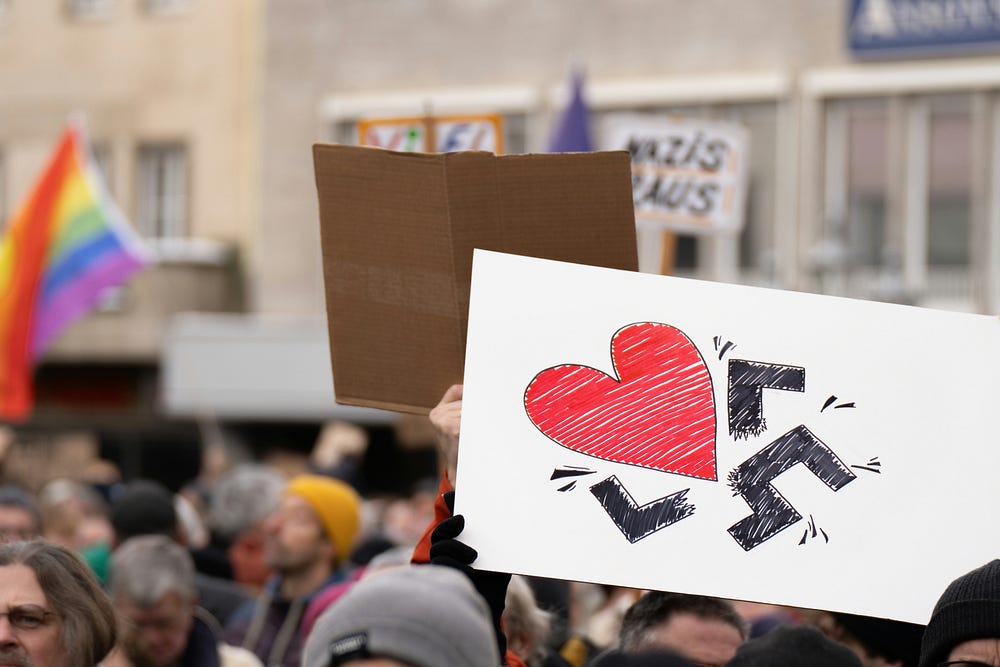
In his 1925 manifesto, Mein Kamf, Hitler wrote:
The Jewish doctrine of Marxism rejects the aristocratic principle of Nature and replaces the eternal privilege of power and strength by the mass of numbers and their dead weight. Thus, it denies the value of personality in man, contests the significance of nationality and race, and thereby withdraws from humanity the premise of its existence and its culture.
Censorship was and always has been about power.
‘Art is a lie which tells the truth.’
Art communicates the human condition–in all its beauty and ugliness. Therefore, when an authority in power wants to place limits on the human condition, what will it limit first?
Art, of course…
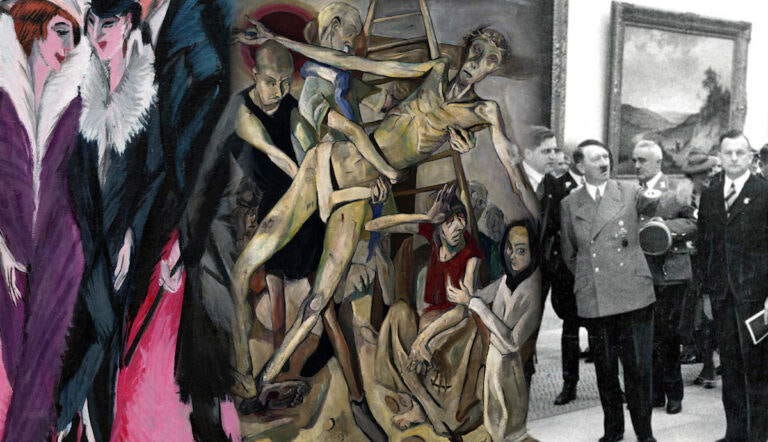
They were forbidden from doing it then, but we are free to do it now, and it is for this reason that we must keep creating.
We must all keep pushing for a more just world, remaining hopeful that love will win over hate.
 Portfolio of Hope