
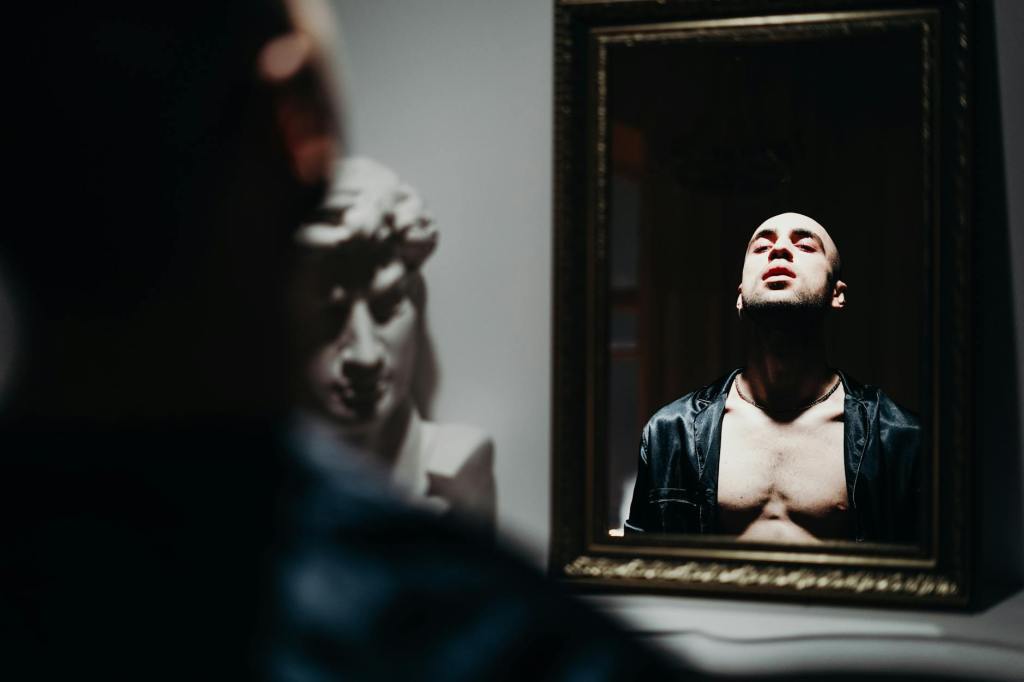
People have debated, for centuries, what makes an artist an artist. Their ability to ‘not see the world in black and white’ is a common explanation that is put forward. The reality, however, is that artists do in fact see the world in black and white. It is everyone else whose perception is skewed…
Unlike the general population, who tend to go through life like a sponge, soaking up what they are told, unquestioningly, artists look beyond authority in order to strip back the layers.
Like moving house only to find every room covered with carpet, it is an artist’s job to rip that material up and restore the home to its original features.
In other words, it is an artist’s job to see the world for what it is, in all its original glory, not what society has told us it is through cover-ups and fabrication.
It is for this sense of non-conformity, one could argue, the refusal to believe something just because someone has told you it’s true, that explains why queerness is so prevalent in the arts.
When sexuality itself is something that society has made us believe can either be ‘right’ or ‘wrong’ and not just be, it takes a certain type of person to see beyond that. Many can’t see beyond it, or if they can, it’s a long journey, and this is where internalised homophobia arises. The sense of who you are being wrong because society has told you that it’s wrong, ‘so it must be…’
Strip back the layers, though, and we realise that queerness has always existed. We can see that through nature*, the purest form of life. Nature is untampered with, yet it is still queer.
*Nature is a theme that I continuously go back to in my writing, because through connecting with nature, we connect with ourselves.
If therapy isn’t working out for you, go climb a mountain.
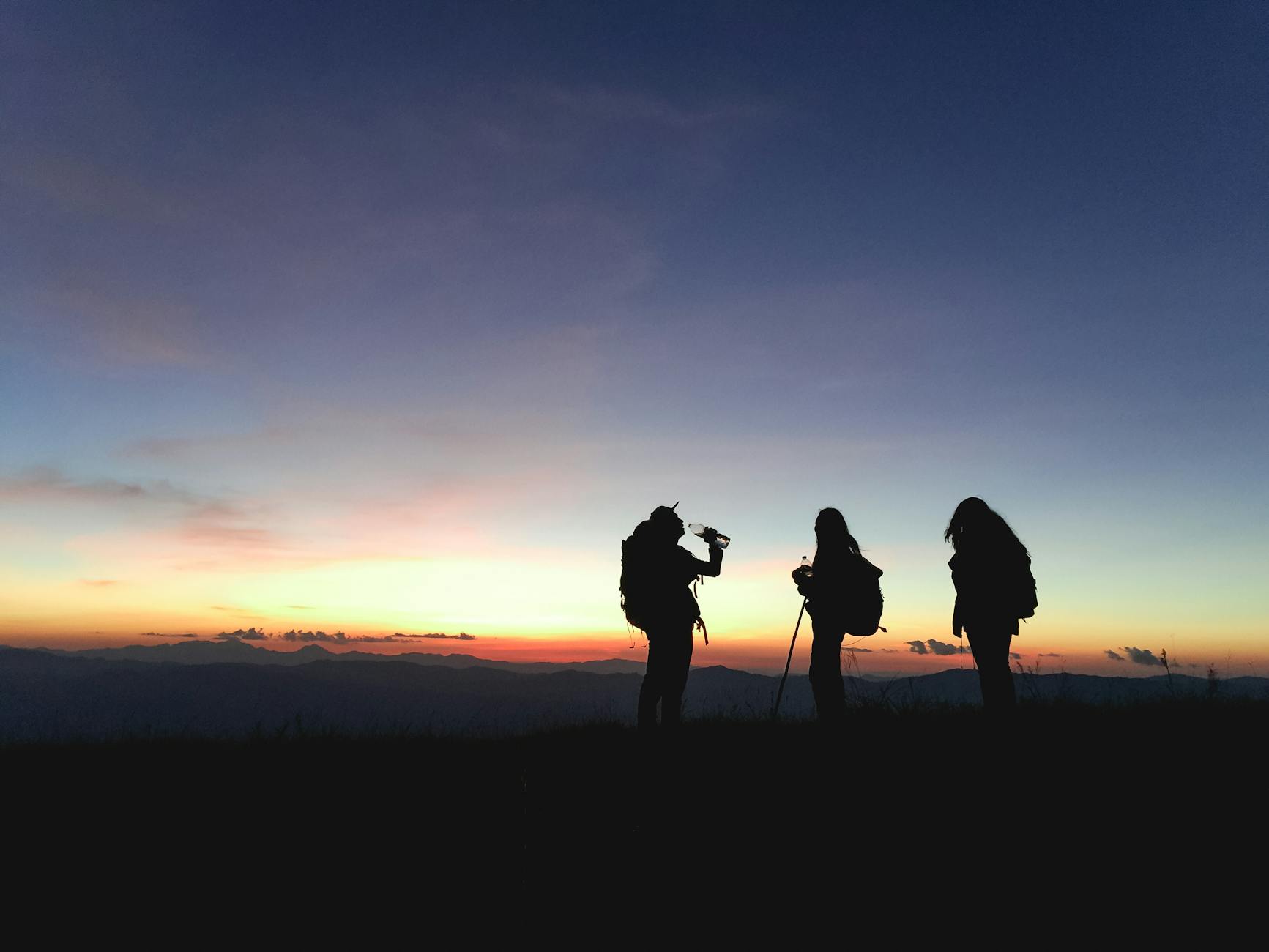
Like sexuality, there are countless aspects of life that society has adapted to suit whatever the trend of the moment is. Women’s bodies provide the most prominent example…
The ideal body type is constantly shifting. Currently, we are seemingly reverting back to the incredibly dangerous ‘heroin chic’ era, where emaciation appears to be the desired look.
Realising how profitable self-hate is, businessmen have exploited this, (where ‘this’ is a mental health crisis), and turned it into yet another unethical money-making exercise.

From controlling women’s bodies to controlling men’s behaviour, and everyone and everything in between, society is the antithesis of nature. The two can co-exist, but certain people, with such power hunger, make it incredibly difficult for that to happen.
To strip society of its self-imposed hate requires a complete overhaul of the system, and to do that, first, we must be awake. This is where artists come in. They can help the public to reframe their thinking to one of not blind acceptance, but curiosity.
The urge to ask… ‘why?’
Artists uncover what the system wants to stay covered, knowing that if people can’t see something, then they can’t change it.
Some do so in more covert ways, using poetry, for example, within which they drop subtle metaphors to lead the reader to make their own conclusion. Others, however, do so in more overt ways, through painting a mural on the Royal Courts of Justice depicting a judge hitting a protester over the head, as just one timely example…

Whatever method they choose to deliver their message, though, all artists have one unwavering thing in common: they are in the business of awakening and enlightening in order to:
- Guide people on their journey of rediscovering what life is actually about.
- Encourage people to look outside of the bubble that is society.
- Uncover the carpet to reveal what lies underneath.
When it becomes about fame and popularity over social justice, the arts will have outlived its purpose, but until that point (and may we never get there), we should all be supporting independent artists and creators where we can.
Without artists holding up a flashlight, the world would be a very dark place indeed.

 Portfolio of Hope