-
Understanding Addiction: Why Current Laws Fail Alcoholics

The past couple of months have been some of the hardest months of my life, if not the hardest. I am having to watch my mum dying, a slow and painful death, all the while the people who can help, the medical professionals who can save her life, do absolutely nothing.
As a family, we have exhausted all our resources trying to get my mum well. She has been an alcoholic for as long as I can remember, but has always managed, after a relapse, to ‘pull herself round.’ This time, however, things are very different.
My mum is refusing to accept that she needs help. Despite being told yesterday that her platelet count is 44,000, when the normal range is 150–400,000, she is still unwilling to get the help she so desperately needs. And when the UK’s stance on alcoholism is so outdated, it’s hard to remain hopeful…
The law
The only way that someone can be made to stay in a hospital in the UK is if they are placed under a section, yet the grounds for an alcoholic to be sectioned compared to anyone else are so much more complex.
Generally, the circumstances required for someone to be sectioned under the UK Mental Health Act are:
- Sectioning is required as the patient is a danger to themselves or others.
- The patient is suffering from a mental health disorder that requires hospital treatment.
- Treatment cannot be provided effectively unless the patient is sectioned.
My mum would tick all these boxes if alcoholism were actually deemed to be what it is, a mental health disorder… Alas, someone can’t be sectioned if they’re intoxicated, this being something that I can’t believe, especially as someone who was sectioned themselves…
Writing from experience
When I was 16, I was sectioned and detained under section 3 of the Mental Health Act. I was forced to get treatment because if I didn’t, I would die. The only difference between me and my mum is that she is addicted to alcohol, whereas I was addicted to starving myself. I had anorexia. It just seems so wrong that my mum is being neglected on the basis that she is ‘too intoxicated’ for anyone to do anything, when that is precisely the reason why she needs to be sectioned.
‘When the UK’s stance on alcoholism is so outdated, it’s hard to remain hopeful.‘
My mum is an alcoholic who has severely relapsed. She is never not intoxicated. Drinking six bottles of wine a day, she wakes up in the mornings still heavily drunk from the night before.
Given how intoxicated she is, the only way that my mum could be sectioned is if she were deemed to have no capacity, and this is where it gets tricky…
When approximately 50% of dependent drinkers are at risk of having frontal lobe damage because of brain injury, and the frontal lobe plays a key role in impulse control, many patients are wrongly considered to have capacity, because in a simple assessment environment, they know the right things to say. However, given that their frontal lobe might be damaged, when it comes to acting upon what they have been told, (in my mum’s case, that she will die if she doesn’t receive treatment), they are driven by impulse and therefore can no longer weigh up options.
In other words, my mum understands the consequences of drinking; she understands the very real risk of death, but the compulsion to continue drinking is too strong to ignore.
This sense of compulsion, as described above, is where the word ‘addiction’ itself comes from. It is a Latin word and implies enslavement. Those who are addicted are ruled by the bottle.
It can be argued, then, surely, that addiction is, by definition, a loss of the ability to make choices, and, in turn, reason enough to section someone.
The above is true of other countries, so why not here?
In Australia, for example, people can be sectioned if they are alcohol dependent and meet the following four criteria:
- Severe dependence (tolerance, withdrawals, loss of capacity to make a decision).
- At risk of serious harm (physical or psychological).
- Likely to benefit from treatment but refuses.
- No less restrictive treatment available.
It’s hard to know that if my mum weren’t in the UK, she wouldn’t be left to die at home.
Yes, my mum knows her name and where she is, the only questions she gets asked when she has an ‘assessment’, but how anyone can say that she has the capacity to make her own decisions when she is putting her life on the line (which, by the way, is grounds to section someone), is beyond me.
‘Ruled by the Bottle.’
If my mum weren’t so unwell, she wouldn’t be going to the hospital for treatment, only to get agitated and leave before anything could be done.
My mum goes to the hospital with the right intentions, to get well, but pointing back to the lack of impulse control again, eventually, her want to drink takes over her need to get better. This is why, after being at A&E for 6 hours yesterday, she pulled her canula out and left.
Despite being told that she could bleed to death if she got a single cut owing to her extremely low platelet count, she ripped a needle directly out of a vein in her arm and went home.
The whole situation is just going round in circles. We get the tiniest sliver of hope that something might actually be done to save a mum, a daughter, a wife, and then we’re knocked back down and back at the start again.
The law needs to be changed.
I understand why sectioning laws are so tight, don’t get me wrong, because to be placed under a section is to essentially have your rights taken away from you and your freedom restricted, but surely assessments should be done on a case-by-case basis.
My mum is a high-functioning alcoholic. She always has been. She is neglecting herself now more than ever — she’s not eating, she’s not washing, all she is interested in is wine — but even now, she can still answer the two questions that are asked when people perform a capacity assessment — ‘What is your name?’ ‘Where are you?’
Referring back to myself again here, when I was sectioned, I didn’t have to answer those questions because I wasn’t brain-dead, just like my mum isn’t brain-dead. Like her, I knew my own name, and I knew where I was and what was happening, but did I have the capacity to make a safe decision for myself when my mind was focused on one thing and one thing only? No. Undoubtedly not, hence why I was sectioned and forced into treatment (which, if I hadn’t been, I’d be dead now).
Surely this level of neglect cannot be allowed to continue.
Time is running out for my mum. She is already showing signs, I believe, of late-stage liver failure. If she carries on drinking without any intervention (i.e., hospitalisation), I fear that I will be attending her funeral in the not-too-distant future.
I write this so that should the unthinkable happen, I have documented that I have tried. We have all tried. Unfortunately, we can’t do anything more now. We just have to hope that the people who can, will do so, before it’s too late.
-
Understanding Society’s Impact on Mental Health
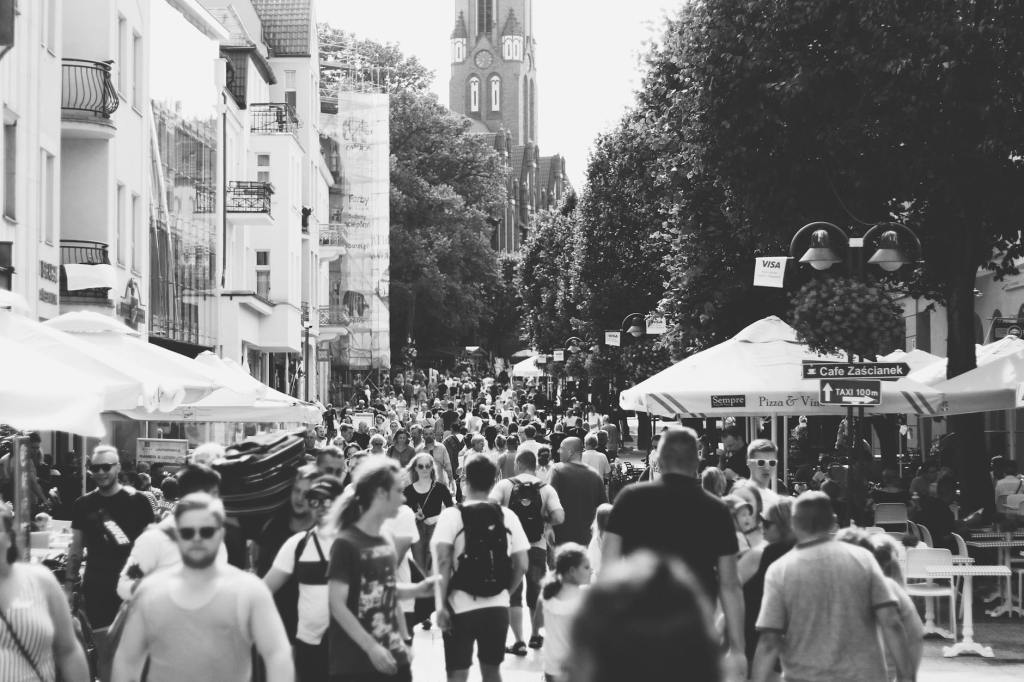
If you’re living in a sick society, don’t be surprised when you inherit some of that sickness.
Like pulling up weeds but leaving the roots in the ground, as soon as it rains again and the conditions are ‘right’, the weeds will come back.
Why?
Because you can’t solve a problem without first understanding its cause.
Even if it’s a personal trauma, say someone was sexually assaulted as a child, there is always something deeper to explore.
Why did the abuser abuse?
Misogyny? The patriarchy? ‘Incel culture?’
It all stems back to one source — a collective trauma imbued by society.
Therefore, when, on your daily commute, you turn your nose up at the prostitute standing on the corner, or the man hunched over in the telephone box with a needle sticking out of his arm, what you really should be turning your nose up at is society.
By failing to recognise the part that society plays in the mental health system and remaining complicit (see also: ignorant), you feed the monster and strengthen the machine.
The overarching fact is that no one chooses to throw their life away; they do so because the pain of reality is, in their eyes, far worse than the pain of anything they could inflict upon themselves.
All feelings must go somewhere. If you try to keep them in, you’ll explode.
Some people internalise their feelings, which can lead to mental ill health in the form of addiction, self-harm, eating disorders, etc, and others externalise their feelings, contributing to the ‘hurt people hurt people’ rhetoric.
I have seen both sides.
Writing from personal experience, as a teenager, I developed Anorexia as a way to cope. I used food restriction and exercise as a way to feel in control of a society that was so far out of my control.
It wasn’t just about body image, which formed only a tiny part of my illness; it was about the lack of control that I felt over my life… Like when I’d switch on the TV and feel a pit in my stomach as I watched the news…
There’s a reason why that feeling would all too often arise, and it’s related to how we live our lives.
We go through our lives spectating when our soul desperately wants to participate. Mindlessly consuming propaganda sold as ‘empowerment’, we feel anxious because we were born to create, yet we live in a society whose main message is: ‘CONSUME. CONSUME. CONSUME!’
Alas, when we do that [consume], we allow something from the outside to come in.
We reaffirm that we are the passengers, and society is the driver.
When we create, however, we bring something from the inside out. And… Wow… Doesn’t that feel good?
Unlike consumption, which is focused on us buying into someone/something else’s ideals, creativity helps us to feel like we’re part of the world.
No longer feeling like we’re just passing through, when we create, hollowness is replaced with pride.
And so, this is why I dedicate my days to creating.
Instead of starving myself so that I can feel something (or rather, nothing. The absence of feeling, as I have learned, is still feeling), I now write. I write about things that are bigger than myself — politics and social justice — and demand that my voice, a voice that I have been told all my life is insignificant, is heard.
And this is the key point…
You can get treatment for a mental illness, but when the therapy finishes, what then?… You need to have something bigger than yourself to give your days purpose.
Society will always try to knock you down. Your strength is proven in the way you get back up, with more fire in your soul than you had before.
Eternal.
When you realise the transformative power of creating, the flame will never die.
-
The Rise of Ultranationalism and Its Impact on Migrants
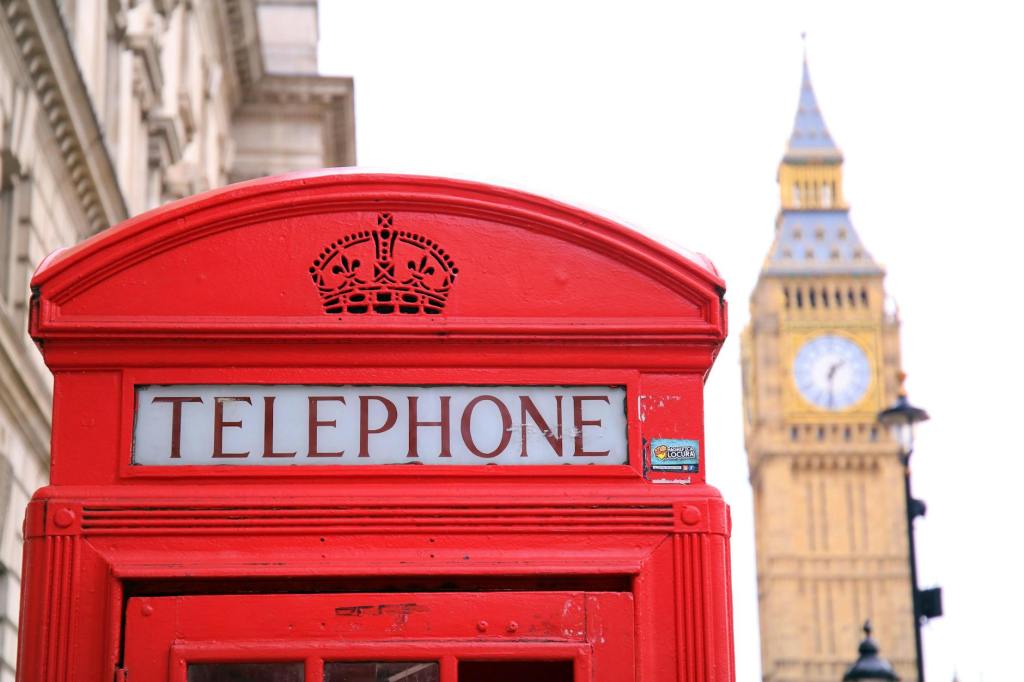
Seeing how much hate there is in ‘Great’ Britain right now is heartbreaking.
The fear that asylum seekers must be feeling. They have travelled so far to get here, risking their lives to cross the English Channel, only to arrive at their place of supposed safety and feel that their lives are just as much at risk as they were before.
I wrote an article which my local newspaper, the Doncaster Free Press, published last week, and I was shocked to read the comments. More than shocked, in fact, I was scared.
Who knew that promoting love could cause so much hate?
Ultranationalism (noun): An extreme, fervent, and often aggressive form of nationalism that advocates for the absolute dominance of one’s own nation above all others, often promoting a sense of national superiority, and may involve calls for aggressive foreign policy and the subjugation of other groups or nations.
Sound familiar?
Ultranationalism was the cornerstone of Nazi ideology.
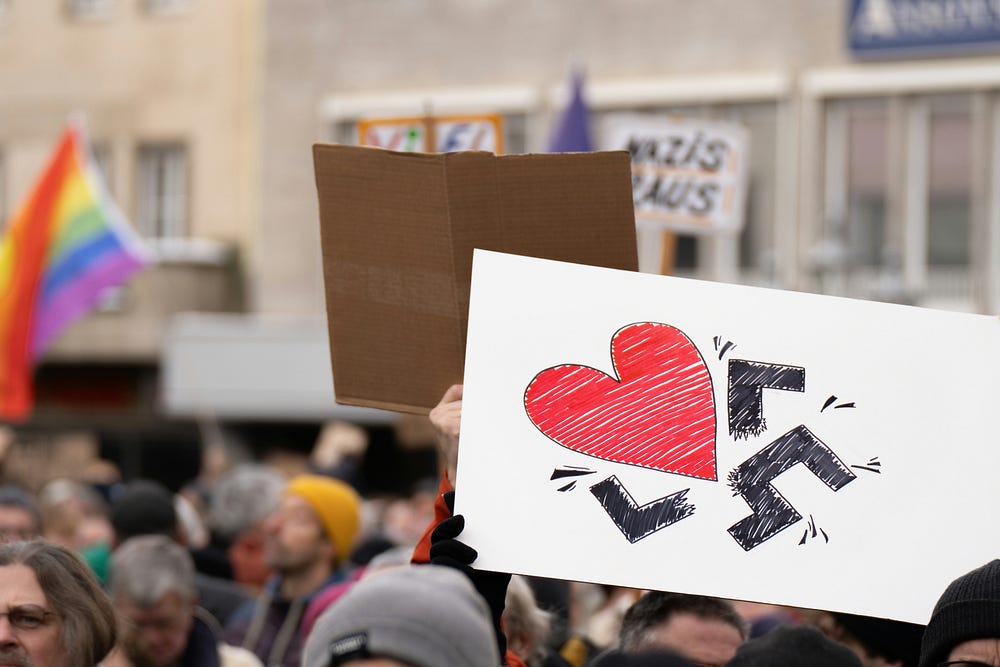
The parallels that 2025 Britain shares with 1933 Germany are stark. The flag raising. The nationalism disguised as patriotism. I’m terrified to think where this is heading, especially with a reform council in power in much of the UK…
Even the government that we have now, which was once left-wing, Labour, is heightening tensions as they seem unable, or more so, unwilling, to pour water over the flame. It’s all a game of party politics. As Reform UK becomes ever more powerful, Labour needs to win back some of its voters. The way to do that? Be a diluted version of Reform…
Did I mention that I am scared?
We all know that an attack on one is an attack on everyone. Referring back to 1932 Germany, it wasn’t just Jewish people that were targeted, but anyone ‘other.’
Black people, German civilians (non-Jewish) accused of disobedience, resistance, or ‘partisan activity’; gay men, bisexual men, and other men accused of homosexuality, Jehovah’s Witnesses; people with disabilities; Poles; political opponents and dissenters; Roma and other people derogatorily labelled as “Gypsies”; social outsiders derogatorily labelled as “asocials” or “professional criminals”; and Soviet Prisoners of War.
The people commenting on my article weren’t just commenting on the subject matter in question (asylum seekers), but also on my sexuality (which they had assumed based on one photo of me)…
You are not just gay; you are a disease and mentally ill. LGBTQ should be abolished.
This is how it always starts.
It always starts with one marginalised group.
Then, it was Jewish people.
Now, it is migrants.
Someone who commented on my article to express their gratitude, some welcome hope amid a field of hate, agreed to be interviewed. I hope that their words make people realise that migrants are not some ‘alien’ species; they are human, just like us.
‘T’ migrated to the UK as a teenager. They have been in the UK for a couple of years now and consider themselves to be one of the ‘good’ migrants (they are white, and their accent is minimal). Even they, however, have experienced the impact of xenophobia firsthand.
Below is the conversation I had with them…
Since arriving in the UK, what has the general reception been like from the British public?
T: I have been in the UK for a couple of years now, and the reception I have received from the general British public has mostly been good. I put this down to me not looking very foreign or my accent not sounding like English is my second language. I do not appear to be ‘different’. Despite this, there have still been times, however, when my family and I have been targeted in our own home. I was a teen, and this happened near the beginning of our stay here. I was so scared to the extent that I couldn’t sleep…
If applicable, have you ever feared for your safety walking Britain’s streets?
T: Unfortunately, yes.
I take public transport, and there was a time when the atmosphere was strained… Suddenly, I was getting far more looks just for speaking my native tongue. Not looks of curiosity, but looks of disgust. I just wanted to tell my parents how my workday went as I made my way home, ask how their day went too…not be scared of speaking. I was scared, though, and in the end, I had to text my parents and say that we could talk at home. That lasted for an entire month.
Now, however, I fear for others more than myself…
It still doesn’t make me feel safe if I know that someone else isn’t [safe]. I have people give one of my parents looks because they cannot blend in as well as I. I have classmates who look surprised to see my parents. So, even though I don’t fear for my safety anymore, I fear for theirs, and that is still not a place I want to be in.
What do you think, answering from personal experience, is the biggest misconception of migrants?
T: Like migratory birds that move from one land to the other as the seasons change, migrants are simply anyone who moves from one country to another.
This means that for anyone who is British who wishes to retire to a nice location with some sunshine, they are migrants, too.
If we take the ‘close the borders’ wording literally, then, does that mean that British Citizens who have moved to another nation, gotten citizenship there, and then wish to return would not be allowed in?
This is a complex issue, and condensing a variety of discussions all into one doesn’t help.
There has recently been a campaign called ‘Operation Raise the Colours.’ It has seen people in their droves putting up England flags. Do you have any comments to make on this subject?
T: I fear that many people participating in the operation are not doing so out of patriotism, but more so out of outrage.
I ask that if you are truly proud of being British, like one can be and should, what are you proud of?
Food?
Music?
A specific football team?
Is there a moment that made you feel extremely proud?
What does the flag mean to you?
Do you know how it was made?
What about the national flower? Did you even know that you have one?
A specific moment in history?
Perhaps the national anthem?
Being proud of where you lucked out to be born is not a bad thing, but this operation doesn’t tell me anything about what you are proud of. You are just proud of being British? How does that identify with you? For example, I have been told I speak too much of my home nation (both positively and negatively), but of course I do! It’s that ingrained in my identity. Those are the things I would love to hear.
Buying flags in droves and placing them in random places doesn’t showcase pride to me. If this were happening in my home nation, I would feel offended. Being placed upside down and half-mast doesn’t showcase pride to me, either. It shows me that you didn’t have enough pride to learn how to respectfully hoist up a flag.
I guess I am just asking for people to truly sit down and think… ‘Is this truly the best way to showcase my pride?’
You are angry; it’s a protest. That’s okay! But surely this protest could be better organised? What is the aim of it?
If you had an opportunity to speak to the British government, what would you say? You only have a few words!
T: We are all human. We all have human rights. All I ask is that we all continue to be seen as such.
Feel free to leave any further comments you may have below.
T: I don’t know how relevant this is, but I find it baffling that most people I talk with don’t know this…
I arrived in the UK at the age when a lot of teens were being told, ‘Register to vote, don’t forget!’ by their teachers. I had to tell a lot of classmates and teachers that, as a non-British citizen with the legal right to remain, I can’t vote in the major elections, just my local ones.
That means that in every big election, I must trust that British citizens know what they want.
I have been in the UK for years, and still, I must wait to have a voice…
‘T’s’ story points to the very real presence of xenophobia in Britain today. As they pointed out, with only a very slight accent and no distinguishing features that scream ‘other’, they are one of the ‘good’ migrants in the eyes of the public. Therefore, when even they have been subject to discrimination on the basis of being an immigrant, sadly, we can see just how ingrained xenophobia really is…
The fact is, though, that being born in Britain doesn’t make you any better of a person than someone who was born elsewhere and moves to Britain later in life.
Human is human, and we all bleed the same.
-
The Nazi War on Modern Art: A Cultural Censorship Analysis
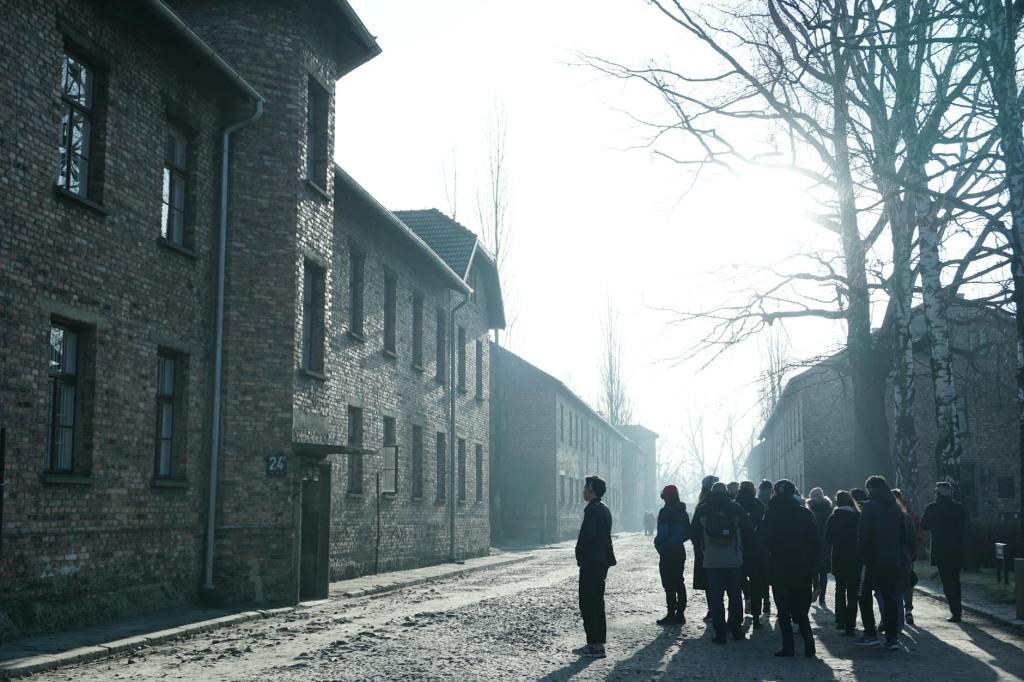
During the First and Second World Wars, the Nazi regime led extensive efforts to control and shape German society and culture through the suppression of modernism. Many modern artists were deemed to be ‘sick’ and ‘immoral’ and labelled ‘degenerates’ off the back of this.
It was believed that modernist art could lead to “a contempt for the traditional views of custom and morality.’ As a result, it was taken and either destroyed (in March 1939, the Berlin Fire Brigade burned around 4000 paintings) or transferred to a gallery whose sole purpose was to mock modern art.
A rejection of history and conservative values (such as realistic depiction of subjects), and innovation and experimentation with form (the shapes, colours, and lines that make up the work), with a tendency to abstraction, are the underlying characteristics of modernist art.
The modernist movement itself emerged during the late 19th century, largely as a means to revolt against the societal, cultural, and philosophical shifts caused by the Industrial Revolution, technological advancements, and rapid urbanisation.
People, having become exhausted by conservative, traditional values, sought to express the new realities of a rapidly changing world, and many chose to do so via art, emphasising themes like fragmentation, alienation, and identity in their work, while criticising the social order and worldview of the 19th-century bourgeoisie. Expressing art in such a way, however, was ‘bad’, according to Hitler. The only good art (see also: boring art) was supposedly that which respected old traditions and rules.
The Nazi attack on modern art was really an attack on hope. More than anything, it was a culture war.
Alas, as Heinrich Heine, the German poet, once poignantly remarked,
Wherever they burn books, they will, in the end, burn human beings, too.
No one can doubt that the Nazis’ culture wars — their attacks on “degenerate art” and on modernism generally — paved the way for the barbaric murder of millions of human souls judged unfit, impure, deviant or alien.
The playbook was simple: First, demonise other people; then, destroy them.
The Nazi regime profited greatly from the sale of confiscated works by famous artists like Henri Matisse, Pablo Picasso, and Vincent van Gogh. The money they made from their work was used to prepare for a war that would leave approximately 6 million Jews dead.
Prior to the Nazi’s rise to political power, Germany was at the forefront of artistic experimentation and produced a significant output of modern art. This was most visible in Berlin during the 1920s when the country was governed by the Weimar Republic. Berlin was one of Europe’s epicentres for a diverse avant-garde art scene that supported artists and intellectuals from marginalised communities.
However, when they came into power, the Nazis subsequently embarked on a campaign of cultural censorship of modernist art.
A careful tally of artworks taken, compiled by the Reich Ministry for Public Enlightenment and Propaganda c. 1942, showed that 16,000 artworks were stolen by Hitler’s regime.
By bringing art under state regulation, the Nazi party sought to prevent anti-Nazi imagery by promoting Nazi values of the family, the home, and the church, and generating hatred towards minority groups, particularly the Jewish community.
The overall message that the Nazi party delivered was that modernism was a Jewish-Bolshevik* conspiracy to control and defile European culture, despite only six of the 112 artists displayed in the ‘degenerate art’ exhibition being Jewish…
*(The Bolsheviks, led by Vladimir Lenin, were a radical faction of the Marxist Russian Social Democratic Labour Party).
Hitler declared it to be his mission to destroy Jewish Bolshevism. He claimed that by ridding the world of Jewish people, he would be doing ‘divine work.’
In his 1925 manifesto, Mein Kamf, Hitler wrote:
The Jewish doctrine of Marxism rejects the aristocratic principle of Nature and replaces the eternal privilege of power and strength by the mass of numbers and their dead weight. Thus, it denies the value of personality in man, contests the significance of nationality and race, and thereby withdraws from humanity the premise of its existence and its culture.
Censorship was and always has been about power.
‘Art is a lie which tells the truth.’
Art communicates the human condition–in all its beauty and ugliness. Therefore, when an authority in power wants to place limits on the human condition, what will it limit first?
Art, of course…
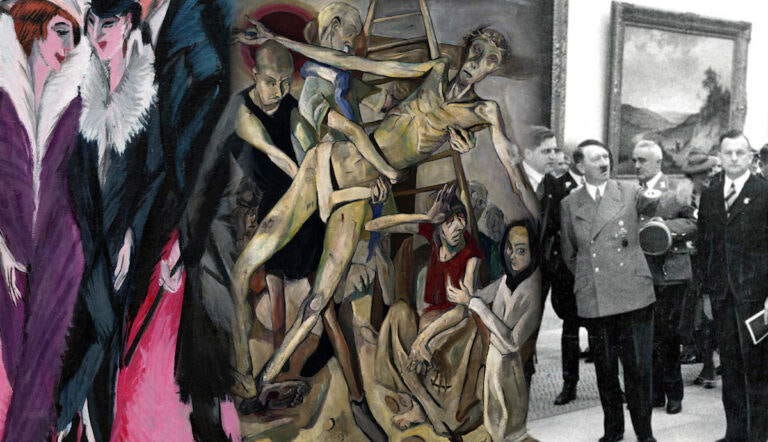
They were forbidden from doing it then, but we are free to do it now, and it is for this reason that we must keep creating.
We must all keep pushing for a more just world, remaining hopeful that love will win over hate.
-
The Case Against Socialism: Understanding Human Nature

When I first became interested in politics, I defined myself as a socialist, being of the belief that the only way to achieve a fair society was through the abolition of private property.
And while in principle this sounds ideal, without private enterprise, surely society would be more equal, the unfortunate fact is that what is good for society isn’t always good for humans…
As I have come to realise, politics must be considered from a broad perspective to incorporate human nature.
We, as human beings, are animals, and like every species on earth, we need a hierarchy. As much as we’d rather not have to work and be someone else’s subordinate, there will always be someone at the top.
If not us, then them.
If not them, then someone else.
It’s just the way that life works…It is for this reason that, as much as I love the principles of anarchism, nor too would this work, either.
There must be order in life. If not by a government, then by someone else.
History shows us what happens when there is no government: a dictatorship comes to replace democracy. We’ve seen it happen in Russia, most notably, where Putin controls the whole country, and the state controls pretty much everything, as we’ve seen it happen in North Korea, too.
Why? Because the lines between socialism and communism are negligible.

Communism, you see, is essentially the end goal of socialists, whose aim is to live in a classless, stateless society, where everything is distributed based on the needs of the overall society. The issue with this, however, and the main criticism of socialism, is that humans cannot feel fulfilled solely from having their needs met. What about our dreams?
Humans constantly need higher aims in order to live meaningful lives; having just enough to eat is not sufficient. And this all comes down to needing a purpose, or, as they call it in Japan, ikigai – a ‘reason for being’, in life.
If everyone were to hold equal wealth, then people would suffer from a lack of incentive, which would lead to stagnation.
Have you always dreamt about setting up your own business? Well, living in a socialist society would exempt you from doing that.
You must do as you are told…
The irrefutable fact is that socialism cannot be made compatible with democracy. All it does is stamp out individual agency while placing society into a straitjacket of uniform size.
It is for this reason that democratic capitalism is what we should be aiming for, similarly to what they have in Scandinavia*.
*It’s not a coincidence that Scandinavian countries like Finland, Denmark, and Norway consistently rank among the happiest in the world…

Finland, a country that has been rated the happiest in the world eight years running, is a welfare capitalist economy that operates within a mixed economy framework, combining free-market capitalism with a comprehensive universal welfare state.
In Finland, people are free to and encouraged to embark on entrepreneurial ventures. The more they earn, the more they’re taxed, to ensure that wealth can be divided between the richest and the poorest people in society.
It’s a similar system to what we have here in the UK, but without the corruption from the people at the top.
A democratic capitalist system serves to ensure that people are still incentivised to remain innovative and forward-thinking, but they are not under the illusion that their job is their identity (‘no job = no life’).
It’s a way to ensure equity, ‘Does everyone have an equal opportunity to turn a seed of an idea into a business?’, and provide equality based on this.
It’s not about giving everyone the same; it’s about giving everyone a chance.
If you’re earning significantly more than the average person, it’s fair that a proportion of your income goes towards the welfare system, in the form of higher tax payments, to ensure that those who aren’t in your position don’t end up on the streets. It’s also fair, though, provided that you are actually working for your money and not just being handed it (see again: equity), that you get to keep a big proportion of it.

When socialists pride themselves on their ‘fairness’, how can they say that it’s fair that someone who has worked hard for their money gets it taken away and divided between everyone else, while other people sit by doing nothing? This is the opposite of democratic. It’s what socialists are fighting against: working people being penalised…
If you’re born into wealth, that’s different. But that is why it’s important for there to be equity to ensure that everyone has the same opportunities in life. This is where funding and grants come in useful for marginalised people who are looking to set up a business or seek further education.
Without the state providing support, society can never be equal (but nor can it be with too much support, either) …
This is why countries such as the UK should look to countries that rate so highly on the happiness scale for inspiration.
People know what they want (fairness), but the difficulty arises when it comes down to implementing it. ‘How can we make society fair?’ One must only look at a country that has done it and is succeeding in continuing to do it to see how.

You can’t say ‘fuck the system’ and then support the very system that takes power from its people…
Nothing screams powerlessness more than state control.
With a strong social welfare system, capitalism is good. It’s when it goes unchecked that it becomes bad and unhealthy.
That’s what Scandinavian countries got right, and look how much better off they are than any other country.
‘Fuck the system,’ as in fuck the big corporations that keep all the money while their workers get buttons.

What can you do to help?
- Swap shopping on Amazon, a business worth a staggering $2.44 trillion, and support small businesses instead.
- Give your money to hardworking people trying to earn a living doing what they love.
- Support the arts – the antithesis to commercialisation.
- Shop local.
Capitalism itself isn’t bad; it’s what human greed does to it that is.
-
UK Migration Crisis: Beyond the Flags and Fears
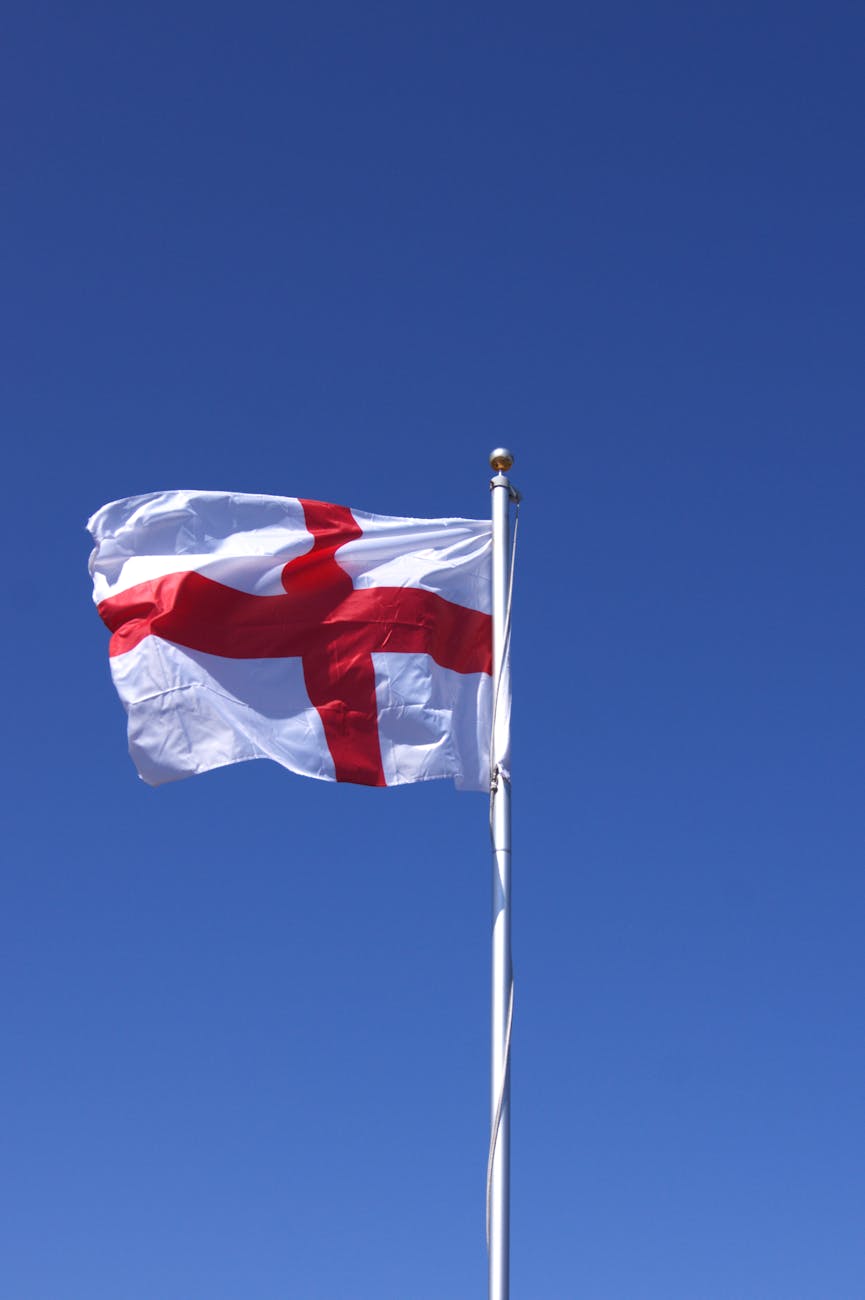
Over the past couple of weeks, flags boasting the colours of ‘Great’ Britain have infiltrated our surroundings. One must only go on a five-minute drive to feel like they’re back in 2012, preparing for the Olympic Games. They’re draped over bridges and tied to lampposts. They’re even painted on roundabouts.
But…
Don’t be mistaken. The flags aren’t out to represent Patriotism, even if people try to frame it as such, but rather, racism… It’s a concerted effort to intimidate ethnic minorities, and a thin pretext for people’s anti-immigration prejudices.
The UK has always had a problem with the way the media frames refugees, but over recent months, the problem has intensified tenfold.
Despite the UK taking in far fewer immigrants compared to other countries around the world (as of 2023, the UK had approximately 448,000 refugees, compared to Turkey, which was host to nearly 4 million), as the far right is influencing politics more than it ever has, ‘stopping the boats’ has become the new token catchphrase.
Not just in the UK but across the world, people are buying into the misguided belief that refugees are dangerous, both to ourselves and to our economy…
Such beliefs are seeing people in their droves standing outside hotels housing asylum seekers to spew abuse at those within, arguing that the men within them are all rapists. ‘We need to protect our children.’
Such attitudes really serve to shine a light on how ingrained racism is, when one only has to cast their mind back a few years to the ‘Homes for Ukraine’ scheme that was launched in 2022, to see the difference in attitudes that people held then compared to now.
It’s not a coincidence that we were happy to let people who ‘looked like us’ (See also: White) not only come to the UK but also stay in our homes.
The impact of colonialism, eh?…
It’s wrong on every level that we treat human beings as something illegal. What about their human rights?
Well, Nigel Farage has already thought about that one…
In his bid to win the next general election, Nigel Farage of Reform UK is proposing to leave the European Convention on Human Rights, a treaty designed to protect human rights and political freedoms, as part of a plan dubbed Operation Restoring Justice (how ironic. There is no ‘justice’ involved) …
When asked how his party intends to deport unaccompanied children, as well as the dangers of returning people to unsafe countries like Afghanistan, where they could potentially face torture or death, Farage’s response was:
We cannot be responsible for all the sins that take place around the world.
Again, quite ironic, given that the UK is singlehandedly responsible for the colonisation of a quarter of the Earth’s surface – 90 countries and over 400 million people. What could possibly be a bigger sin than this?
Maybe if the UK hadn’t been so power hungry then, we wouldn’t be in the mess that we’re in now…
The impact of the British Empire was severe, often leaving countries in tremendous debt and ruin. When you properly research this and understand just how much the UK sought to dominate ‘weaker’ countries, arguments surrounding migration and border control can be simplified.
‘No one is illegal on stolen land.’
It is our duty to treat migrants as human beings, especially given that out of the 20 most common nationalities of people applying for asylum in the UK, 64% come from countries with colonial links to Britain.
As with anyone, there will be ‘bad apples’ seeking asylum, but to suggest that every man who comes to the UK is a rapist is just ridiculous and wholly unfounded. It’s like implying that all British people are racist. They’re not; it’s just the minority who ruin it for the majority.
Alas, Reform UK seems oblivious to this, having suggested that, should they win the next election, they will deport 600,000 migrants over five years.
And send them where, exactly?
Under the plan, people would be arrested on arrival, detained at disused RAF bases, and, if agreements were reached, returned to their countries of origin, including Afghanistan and Eritrea, where a significant number of people on small boats come from, often seeking refuge from threats to their lives.
If you’re LGBTQ+ in Afghanistan, under Sharia law, you risk being dealt the death penalty. Similarly, if you’re a woman, you risk having all your human rights stripped.
‘No longer a person, you’re now a commodity.’
It makes me so sad that there are still people in the UK, knowing the above information, who sit by and say, ‘Stop the boats.’
Where has our humanity gone?
There is so much conflicting information out there, most of which is founded on absolutely no basis of truth. What is true, however, is that society is a mess, and the government is looking for scapegoats to shift the blame for it.
The housing crisis?
The broken system that is the NHS?
Let’s just blame it all on the refugees.
People’s main grievance toward migrants, aside from them all supposedly being ‘rapists’, is that they take money from our economy.
When only half a per cent (0.54%) of the UK’s total population is a refugee or asylum seeker, though, how much money are they really taking?…
In the UK, money goes to asylum seekers through weekly financial support for their subsistence, typically £40.85 per week per person. A further lump sum goes to the Home Office to cover the operational costs of the asylum system, including hotel accommodation for asylum seekers.
This money comes directly out of the UK’s aid budget, money that has been allocated to spend on hosting refugees in the UK for their first year of stay. The budget is set as 0.7% of the UK’s Gross National Income.
Refugees are therefore not ‘taking’ money when the money was already allocated to them in the first place…
Why does no one complain that the UK spends 4% of its GNI each year on killing people (defence), yet everyone feels so betrayed when less than 1% of it is spent on saving people (aid)?
The fact is that people are never going to stop coming to the UK, and nor should they; it is their human right to come here. What we must ensure is that they do so in a way that prioritises safety, both their safety and ours…
Unfortunately, however, this proves difficult given that all the safe routes of entry to the UK have been closed, therefore leaving people with no choice but to enter the UK through ‘illegal’ routes, like on small boats. It is because of this that there were more tragedies in the channel in 2024 than in any other year.
If we want people to stop making dangerous journeys across the channel, we need to restore the refugee resettlement programmes that have been so successful in the past. The only way to stop people from risking their lives on small boats is by offering safe routes for people seeking safety.
Because that’s all they’re seeking – safety.
Despite what the media likes to fearmonger us into believing, asylum seekers do not come to the UK for our benefit system, because asylum seekers are not awarded any benefits outside of the £7.02 a day they are given for food.
As for them being given free housing, the government does provide accommodation for people seeking asylum, but this is often single hotel rooms, or unsuitable housing infested with mould and rodents, not the luxury that the media leads us to believe.
So, what now?…
Ultimately, when the UK ranks 18th in terms of asylum claims in proportion to the population (the UK receives 9 asylum applications for every 10,000 people, whereas Germany receives more than double that – 23 applications per 10,000), we can see what the problem is.
The problem is not with the number of people coming over, but with how the system is managed.
Instead of targeting asylum seekers, then, target the government.
And remember…
‘No one is illegal on stolen land.’
To end on a sentiment that I read in the Guardian today and find deeply ironic…
It’s great to see the Saint George’s cross flying everywhere. It was first adopted by Richard Lionheart, king of England. During his reign, he lived in France, barely visited England, and didn’t speak a word of English. Saint George himself was a Roman soldier, born in Turkey and martyred for his Christian beliefs. Such multiculturalism makes you proud to be British.
– Andrew Gould, Bosham, West Sussex. -
The Impact of Misogyny on Gender Perception

If you want to solve one of the hardest riddles ever crafted, have a go at this:
Lisa wears men’s clothes, has short hair, and is indifferent to pronouns. They/she/he doesn’t care… In the eyes of society, what is Lisa?
The average thought process while trying to solve the above riddle goes something like this:
‘Lisa is a female name…
But women don’t wear men’s clothes…
& women don’t have short hair…’*‘…’ used to represent lots of pauses of confusion at how someone could possibly exist outside of a binary. *
Conclusion: ‘Lisa is a man.’
Ask how they landed at that conclusion, and they will tell you the clothes and hair outnumber the name.
Alas, what would it take for the decision to swing the other way?
If you’re one of the JK Rowling fanatical types, you will likely say that you’d have to see what’s under ‘there’ to make a conclusive decision, ‘sex = gender’, as though what we have between our legs could possibly contain all that we have within our minds.
If this were true, though, then why are there trans women out there who are more woman than I, Lisa, an AFAB (assigned-female-at-birth) person (surprise!), will ever be?
When gender is all but a social construct, why does it exist?
The reason that gender exists is rooted in misogyny, through which, to get even marginally close to their male counterparts, women must pay the price. Sometimes, they will pay the price in overt ways, such as through having the expectation placed upon them that they will look after the children and the home. Other times, they will pay the price in more overt, literal ways.
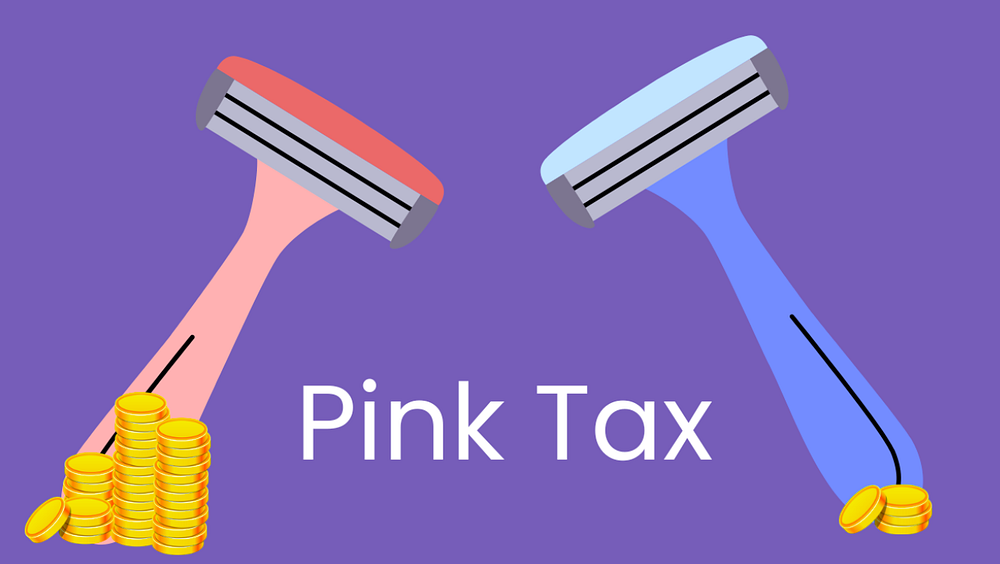
Did you know that brands will often charge a higher price for the same product if it’s marketed towards women as opposed to men? This is known as the pink tax and has been an issue in the global marketplace for decades, so much so that women are paying 40% more for their essentials today compared to men.
The inequity of gender-based pricing is best illustrated by the cost of shower gel. You can typically expect to pay an average of £1.04 for a basic men’s shower gel, whereas the fruiter-scented women’s shower gels would set you back around £5.49, reflecting a 428% price difference.
The price of shampoo tells a similar story, with women’s shampoo generally costing £15.22 on average, compared to £6.11 for men’s shampoo — a difference of 149%.
As well as price increases, misogyny is also to blame for the media coverage that we are seeing everywhere, which aims to vilify, segregate, and demonise trans women.
People, especially men who are at the forefront of the witch-hunt against trans women (except she who cannot be named*, of course), cannot understand why a man would possibly want to transition and become a woman.
*How ironic that Rowling created he who cannot be named and is now the female equivalent of that…
Believing themselves to be the superior sex, what possible reason could any man want to transition for, if not to gain access to women’s spaces for sexual purposes?…
It’s all about socialisation.
It is through socialisation that our ideas surrounding what it means to be a man versus what it means to be a woman are formed, hence the importance of bringing young people up in an environment that fosters diversity and freedom of expression.
Buying dolls for girls and toy guns for boys. Enrolling girls in ballet and boys in karate. When the socialisation that we receive in our earliest years has the biggest influence on the rest of our lives, it’s unsurprising that so many men and women have such narrow-minded perceptions of gender.

Men are not naturally misogynistic. They do not see women solely as a body to be used for their pleasure. The image of the stereotypical macho man, however, does.
Alas, behind every woman, there is a little girl who was told that her purpose in life is to be soft, innocent, and submissive. As behind every man, there is a little boy who is told that his purpose in life is to be tough, strong, and dominant…
To end on a positive sentiment, though, there’s a reason why cases of trans people are on the rise, and it’s not due to the spiel that transphobes would have you believe. It’s not the result of some mass-scale brainwashing. It’s because, as the generations go on, people, slowly but surely, are realising that gender stereotypes are just that, stereotypes. They don’t matter. They are nothing but an(other) means of controlling the population.
Better to force people into one of two boxes labelled male and female than allow them to realise the truth: that binaries don’t exist.
No one has to prove their gender. I don’t need to keep my hair short to prove that I am non-binary. However I present is valid. Nothing can change who I am.
Because, again, for the people who didn’t hear it at the back…
-
Beyond the Tourist Trap: The Realities of Global Poverty

The world is set up for tourism, with people, primarily in the West, using their privilege to jet off thousands of miles under the guise of ‘culture.’
To believe that visiting a country solely for its landmark attractions is conducive to seeing its culture, however, is like taking a trip to Walt Disney World and believing that you’ve seen all that Florida has to offer.
It is all but an illusion.
A false sense of grandeur.Only when the season ends and all the tourists return home to their native countries can you truly see a country for what it is, not what they want you (the tourist) to think that it is…
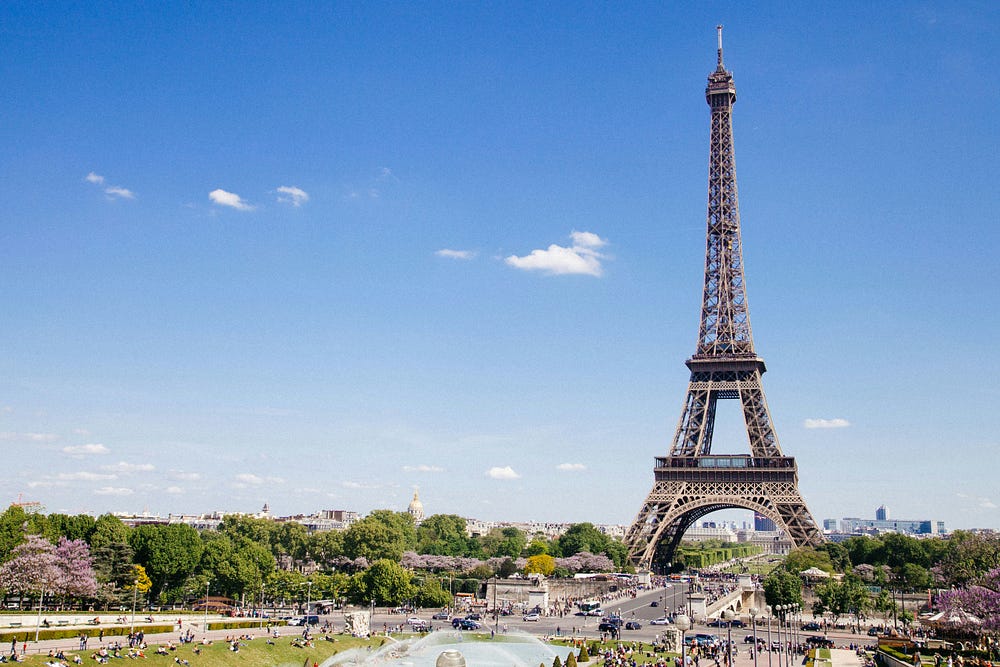
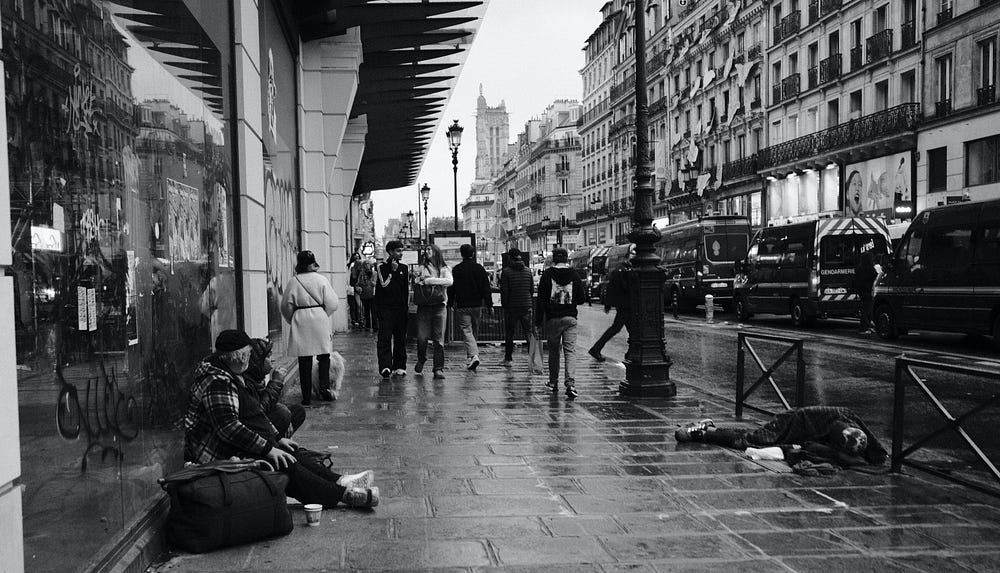
Consider Paris, for example. Its prestige is all but an illusion, a false sense of grandeur, yet 50 million tourists flock to the capital each year, many of whom go solely for the obligatory ‘Look at me! I’m touching the Eiffel Tower’ photos. What the majority of these people don’t see, however, is what occurs in the 18th and 19th arrondissements, just a stone’s throw from the Eiffel Tower, where crime rates are at an all-time high, and the surroundings are anything but picturesque…
It’s hard to get one’s head around how a city with such immense wealth, a city that prides itself on its ability to attract 50 million tourists each year, can simultaneously sit by in blissful ignorance while over 4000 people are forced onto the streets.
If there was ever a prime example of the rich getting richer while the poor get poorer, it’s this…
When Paris’ tourism economy has been rated the most valuable in the world, at $36 billion (£31 billion), it’s difficult to see how Paris’ leaders can justify such a drastic division in the wealth (or lack thereof) of their people…
How can President Macron allow more and more hotel complexes to be built, and so much money to be continually invested into the tourism industry, all the while Parisians are living out of sleeping bags?
Another major city that has a huge problem with its division of wealth is London.
If you thought Paris was worth a lot at £31 billion, then London, which is worth a colossal £1.9 trillion (for its property alone), is on another level.
Why, when London has so many assets, are its people neglected so badly?
As of 2024, more than 183,000 Londoners were estimated to be homeless and living in temporary accommodation. This is the highest-ever level of recorded homelessness in the capital — equivalent to at least one in 50 Londoners.
What’s more, the above figure includes almost 90,000 children (one in 21), and heartbreakingly means that, on average, there is at least one homeless child in every London classroom.
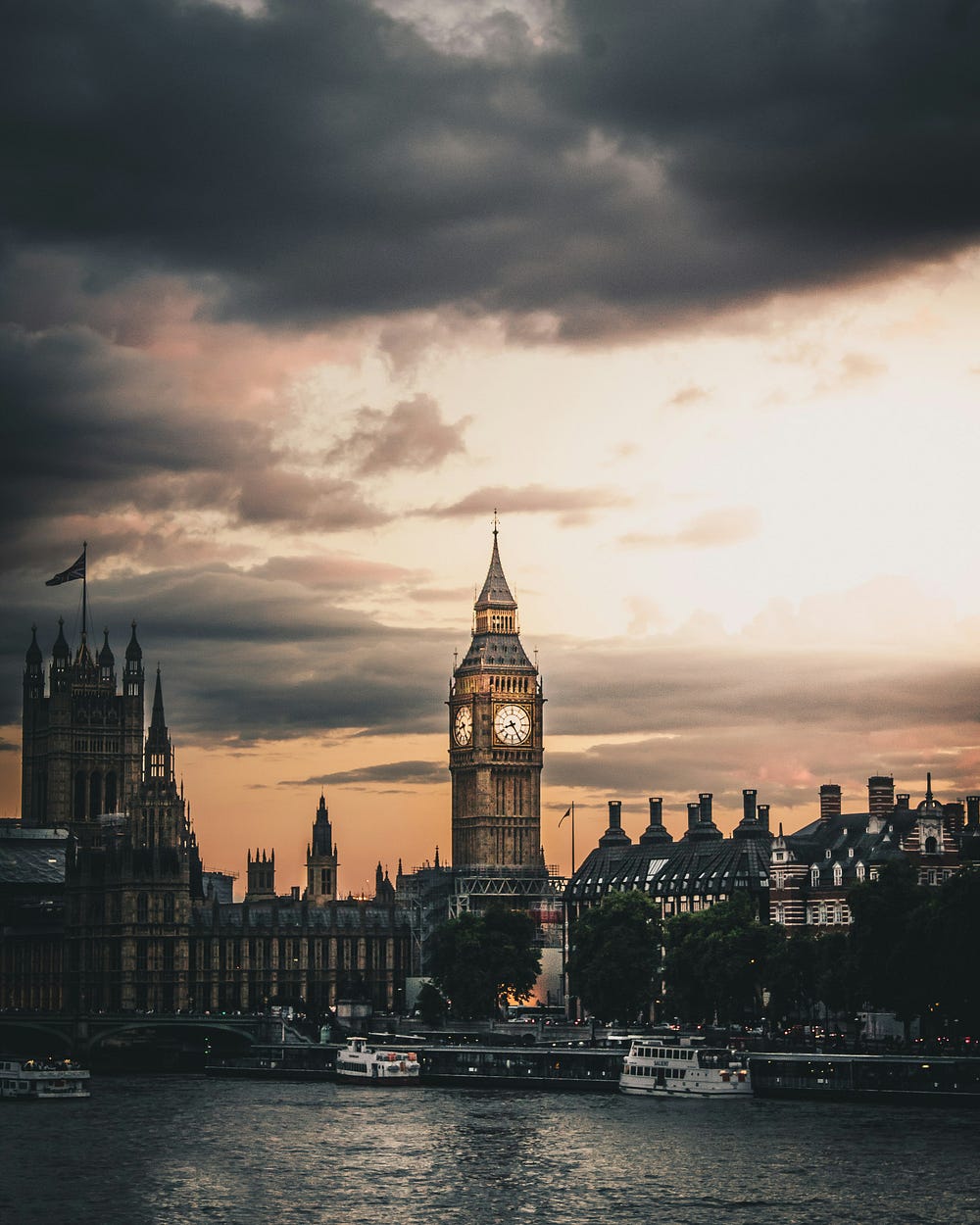
Similarly to Paris, however, the masses of tourists (21.7 million) who visit the city each year don’t see the darker side of its streets, or the hungry children, and therefore, despite all of London’s problems, they keep coming back.
Cruising down the River Thames, hopping aboard the London Eye, marvelling at the sight of Big Ben (I still don’t understand the world’s obsession with a giant clock), people love London for the stereotype, which is all it is.
It is all but a stereotype of British politeness and cups of tea and red phone boxes and double-decker buses.
It is all but an illusion in the face of reality.
Tourism at its finest…
It’s not just cities that cover up their lack of humanity, either. The fact is that countries en masse present false ideals to drum up tourists, while neglecting the basic human rights of their native people along the way…
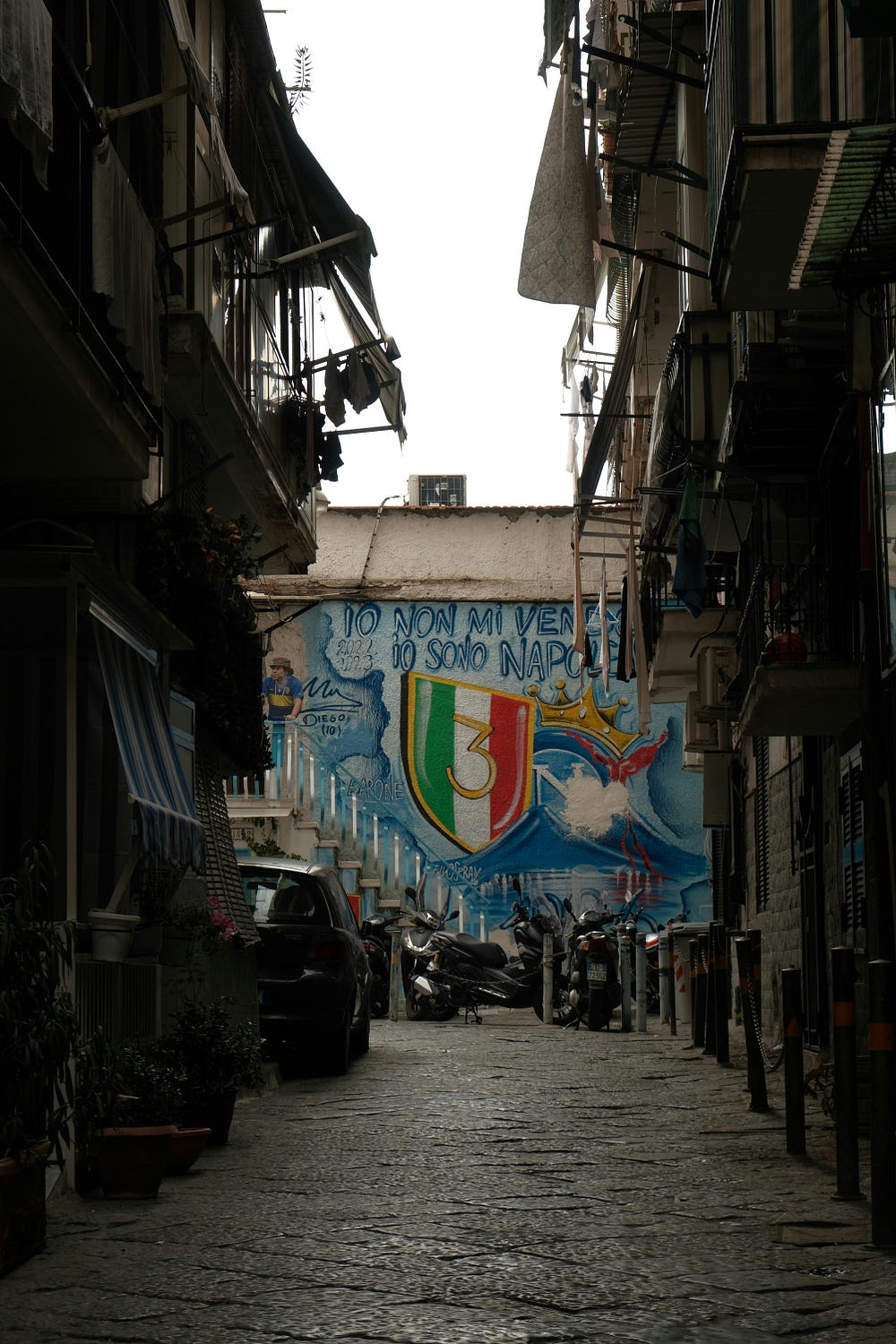
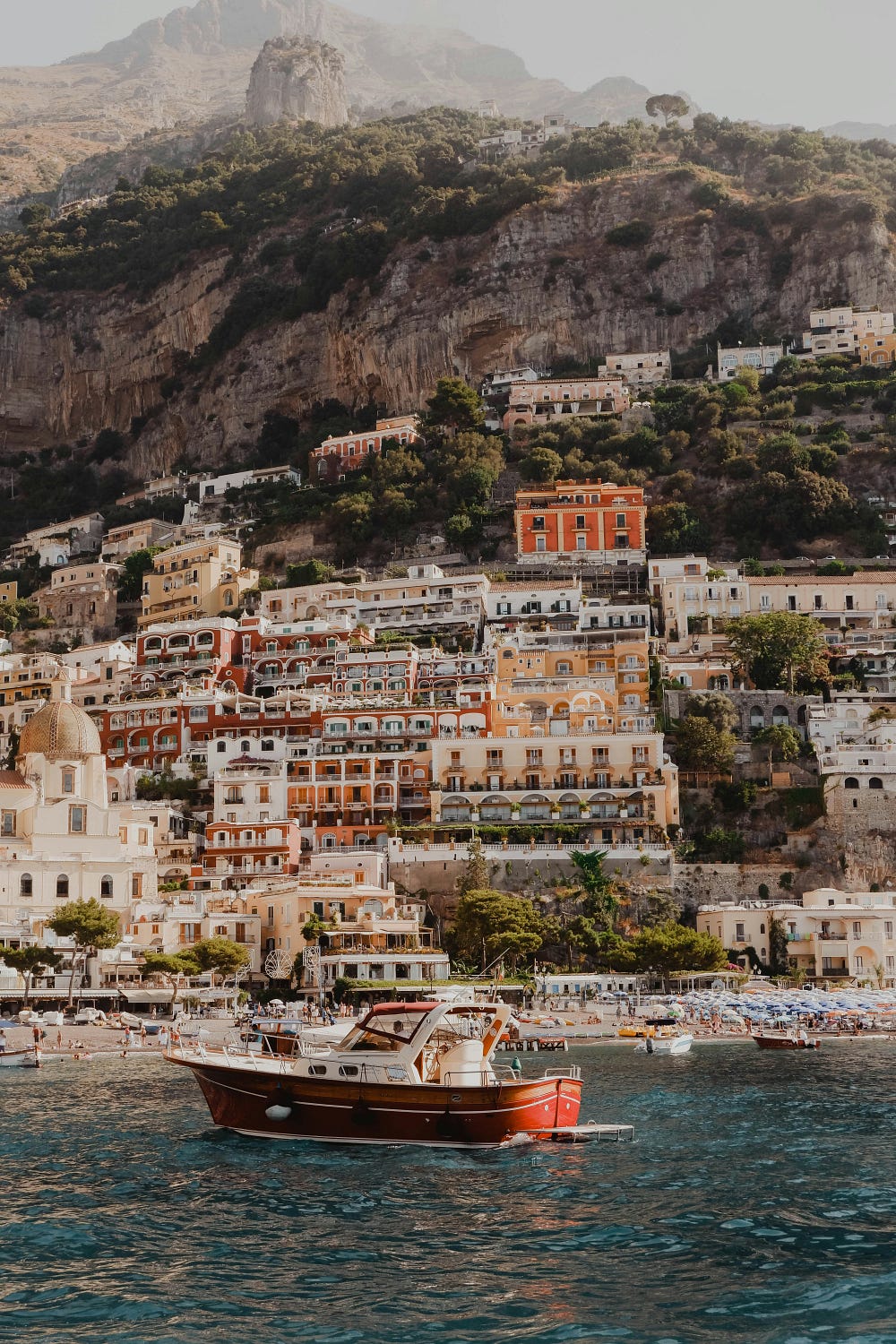
Italy is the first country that comes to my mind when I think about places that boast their riches to those on the outside, but deny giving those on the inside any semblance of humanity.
If you’re visiting the Amalfi Coast, which is arguably one of the most beautiful places in the world, you will likely fly into Naples’ airport, and, from there, travel via bus to a neighbouring town (Sorrento and Positano are the most popular areas in the Amalfi Coast for tourists).
There’s a reason why Naples is mainly used as a mere pass-through for tourists, though, and it’s due to the disparities that exist (again) concerning money.
Naples has been identified as the poorest major city in Italy, experiencing high rates of unemployment and socioeconomic disparities. What’s more, it is, in the eyes of many, a very dirty and run-down place.
It’s fascinating how you can go from one extreme (poverty) to the other (luxury) in a one-hour drive.
The bakery with a sign in the window declaring it Italy’s ‘best kept secret’? Well, all I’m saying is that the real ‘best kept secret’ isn’t this, but that…
If it weren’t such a troubling situation, the ability that governments possess to present an illusion of a ‘paradise’ would actually be quite impressive. How they manage to conceal all the unfavourable parts of their country — the homelessness and the poverty, and the cause of it all, politics, is, in the worst way possible, nothing short of remarkable.
Italy’s best kept secret is actually its worst…
So, what can we do about it?
In order to taste the real essence of a country without waiting for the season to end, you must venture outside of the tourist areas. Doing so via public transport is a great way to travel and see lots of places in a short period of time.
Talk to the locals who work in your hotel; ask them about politics and the country outside of the four walls of your resort.
Make your trip less about consuming ‘stuff’, and more about creating a space for people to feel heard. And, if you have the means to do so, give people a space to share their stories and dispel the paradisiacal myth that their country’s leaders are portraying to the world.
Be a voice for the voiceless. Be a light in the dark.
When, like souls on earth, you are merely a visitor passing through someone else’s home, use your privilege as a force for good.
-
Christianity vs. Paganism: A Historical Perspective

Religious behaviour, that being the belief in and worship of a superhuman power/powers, has been occurring since the Middle Palaeolithic era/the Middle Stone Age (45,000 – 200,000 years ago), the earliest period of human history. In AD terms, this translates to a period spanning from approximately 298,000 BC to 38,000 BC.
The type(s) of religion that people in these ages followed were not the monotheistic, organised religions that are so common today. Instead of being so concerned with people, their focus was on nature, and the belief that God and the universe are one.
It’s not a coincidence that followers of pagan, pantheistic religion have been demonised so much over the years.

During the Christianisation of Europe, pre-existing pagan beliefs and practices were demonised. Christianity often depicted pagan gods and goddesses, particularly those associated with nature, sexuality, and wildness, as evil entities, sometimes directly associating them with the Christian devil.
It was such demonisation as this that led to the witch trials in early modern Europe and colonial America. They were a part of a broader struggle for religious control.
In many cases, witchcraft was considered a form of heresy, a challenge to the established religious order. Witch trials were subsequently used to silence individuals who challenged authority and posed a threat to Christian society. They were a means to assert dominance and control.
The fact is, however, that those who feel the need to assert dominance and control do so because, deep down, they don’t even believe in themselves…
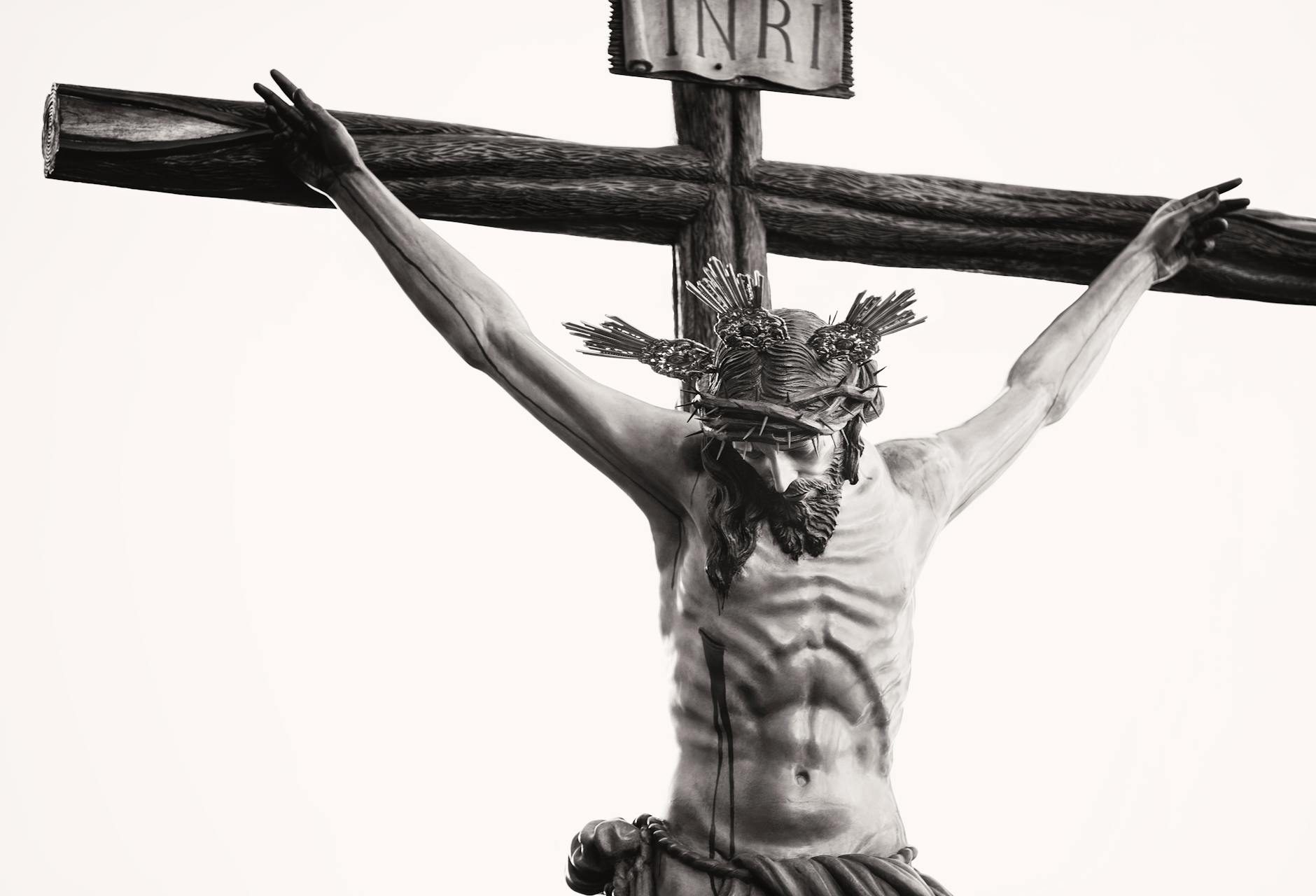
It’s no surprise that Christianity has felt so threatened by Paganism through the years… One only has to flick through the history books to realise that paganism is the true religion of the world.
Unlike Christianity, which didn’t arise until the 1st century AD, paganism has always existed.
If the greatest proportion of time has been spent ‘BC’ (before Christ), then how can the origins of the world be explained by a God that wasn’t even born?
The Bronze Age (6300 – 2800 BC) ended approximately 1200 years before the start of Christianity. During this period, religion still existed, although in a very different form.
During the Bronze Age, there were no wars fuelled by religion, as we see far too much of today, because everyone understood that God wasn’t something to be debated over, ‘my God is better than your God’, but something to be at one with.
We are at one with the rhythms of nature and the seasons that rule us.
Living close to the earth, our lives are tied to the soil beneath our feet and the animals around us.
Life is simple, yet full of meaning.
At night, our elders tell sacred tales of the spirit world under star-filled skies that stretch to eternity. They lead us in rites at oak groves, stone circles, and sacred wells, where we honour deities of the earth.
During harvest time, we honour our ancestors and nature spirits with festivals and offerings.
Just think about how much conflict we could end before it starts if we had the same approach to life today…

Monotheism might have largely replaced panentheism, but its impact can still be seen far and wide.
We can see the influence that paganism and pantheism have had on society by things that most of us will never think twice about, like days of the week.
Even the days of the week are based on Germanic gods.
- Sunday: Named after the sun.
- Monday: Named after the moon.
- Tuesday: Named after Tiw, the Anglo-Saxon god of war and sky, also known as Tyr.
- Wednesday: Named after Woden (Odin), the chief god in Norse mythology.
- Thursday: Named after Thor, the Norse god of thunder.
- Friday: Named after Frigg (or Freya), the Norse goddess of love and beauty.
- Saturday: Named after Saturn, the Roman god of agriculture and wealth.
The Christian calendar of festivals is also majorly influenced by paganism.
As I wrote about HERE, both Christmas and Easter, festivals that we associate with Christianity, the birth and resurrection of Christ, have their roots in Pagan tradition.
The reason? Because during the spread of Christianity, many pagan traditions were adopted to make the religion more appealing to those who were converting (i.e., to make it seem less like the fairytale that it is) …
The date of December 25th, for example, was chosen as ‘Christmas’, not because this is the date that Jesus was born, but because it coincides with the existing pagan festival of Saturnalia, and takes place during celebrations of the winter solstice.
Similarly to Christmas, Easter is also rooted in pagan tradition.
Easter began as a pagan festival celebrating spring in the Northern Hemisphere, long before the advent of Christianity. Its traditions, and even its name*, were taken from something that already existed.
*(The name ‘Easter’ is derived from the Germanic goddess Eostre, who was associated with spring and dawn).
Symbols like eggs and bunnies, which are associated with fertility, have pagan origins, too.
Why did Christianity have to misappropriate paganism?
Christianity has reshaped minds on a mass scale. Many people now gather in churches in search of ‘God’, despite God having always been around, though not as ‘man’, but as nature.
An empire of power and control.
The descent of paganism came about during the Roman period under the rule of Constantine (306 – 337 AD).
Prior to Constantine’s rule, Christians were persecuted owing to their ‘refusal to worship Roman gods’, their ‘antisocial tendencies,’ and the perception that they were a ‘dangerous, foreign cult.’
Sound familiar? The Salem Witch Trials, anyone?…
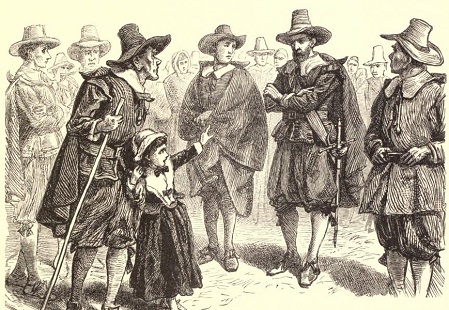
Religion might change, but the desire for power (at whatever cost) stays the same.
Had Constantine not become emperor, Christendom* might never have emerged, and paganism might still be the ruling religion.
*(Christendom = the historical period where Christianity was the dominant religion in a society, particularly in Europe during the Middle Ages and Renaissance).
While it’s impossible to say definitively what the world would be like without the Roman Empire’s influence on Christianity, it’s highly probable that paganism would have remained a dominant force in Europe and potentially beyond.
The Roman Empire’s adoption and spread of Christianity significantly impacted the trajectory of religious history, and without that influence, other belief systems, including various forms of paganism, could have persisted and potentially evolved or even spread further.

Whether Jesus existed or not is largely irrelevant; either he did or he didn’t. If he did, though, then he was not the ‘son of God’ any more than Constantine was the son of God.
That is to say, like Constantine, Jesus, should he have existed, was nothing but a(nother) power-hungry man.
Swapping fact for fairytale, why do people go searching for something unseen when the reason for our existence is visible all around us, in nature?
Paganism might have declined over the years, but all you need to do to get it back is step outside of your front door.
The magic is waiting for you.

-
Why Do Humans Seek To Control Nature?

Our lives are governed by forces that are higher than ourselves. From a spiritual perspective, the governor is ‘God’ or the universe, and its purpose is to guide us and sit with us as we navigate through life. Our spiritual higher power is a positive influence.
From a worldly perspective, however, our lives are governed by forces that take the form of political leaders and monarchs, which are negative influences. Why? Because while the former looks out for us, the latter controls us.
Unlike our spiritual higher power, let’s call it the universe, which serves to remind us to appreciate everything in life, the higher power here on earth, namely, political leaders, serves to do the opposite.
Instead of appreciating the earth and everything that it has to offer, ‘nature is beautiful’, through the higher power on earth (party politics), we are made to believe that some aspects of nature are more beautiful than others.
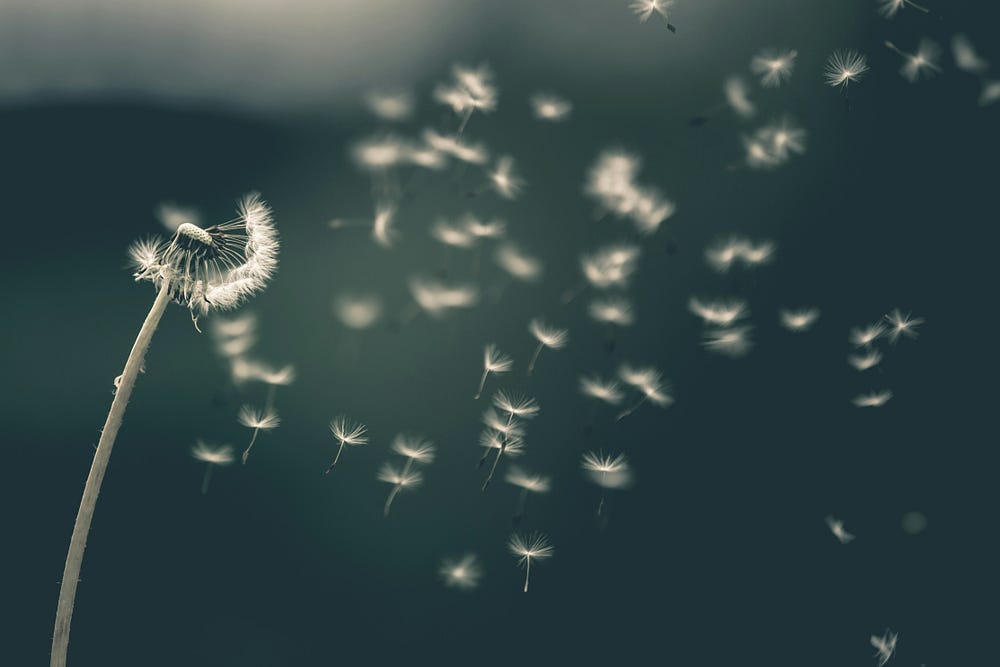
The rose is deserving of the bouquet. The dandelion of the bin.
Flowers are beautiful, but only the ‘right’ type of flower. If it’s not ‘right’ (i.e., if it’s not controlled by us), then it’s not a flower but a weed.
Weed (noun): ‘A wild plant growing where it is not wanted.’
Not wanted according to whom?…
The fact is that everything in life serves a purpose, and therefore, everything in life is wanted. Owing to the egotistical nature of some humans, however, this is a fact that all too often gets disregarded by people who believe that only that which they create is worthwhile.
If we planted it, it’s beautiful. If it grew there of its own accord, it’s horrible. It doesn’t matter about the butterflies and the bees that feed from it. It’s horrible.
Humans try to convince themselves that they are in control, hence why they try to tame that which cannot be tamed. And while the digging up of weeds might seem like a small thing, it is, in fact, part of something much bigger.
In the same way that only the right type of flower is beautiful, similarly to some, so too is only the right type of metal beautiful…
Despite over ¼ of the earth’s crust being made up of various metals, the world only wants gold, a rare, precious metal that is not only difficult but also dangerous to mine.
Gangs working beneath the Peruvian mountains do so with guns and are unafraid to shoot at anything that gets in their way. Frighteningly, this is something that is only going to escalate as the demand for gold rises (last year alone, demand for gold rose by a third).
The question, though, is why? Why are some things valued higher than others when they’re all natural?
Only when we stop assigning made-up values to nature will world peace prevail.
We are lucky enough to get to experience life as we pass through on our journey(s), the least we can do is therefore leave the world as we found it. Unfortunately, however, far too many of us don’t…
Forgetting that we are a part of nature, we are obsessed with defeating it.
We go to zoos to gawk at animals that we have taken away from their homes and enclosed, as though they were born for our pleasure. And those that are left in the wild, we kill. Whether slaughtering cows for beef or elephants for ivory, food vs fashion, we reduce their lives to nothing, and all for the sake of satiating our greed.
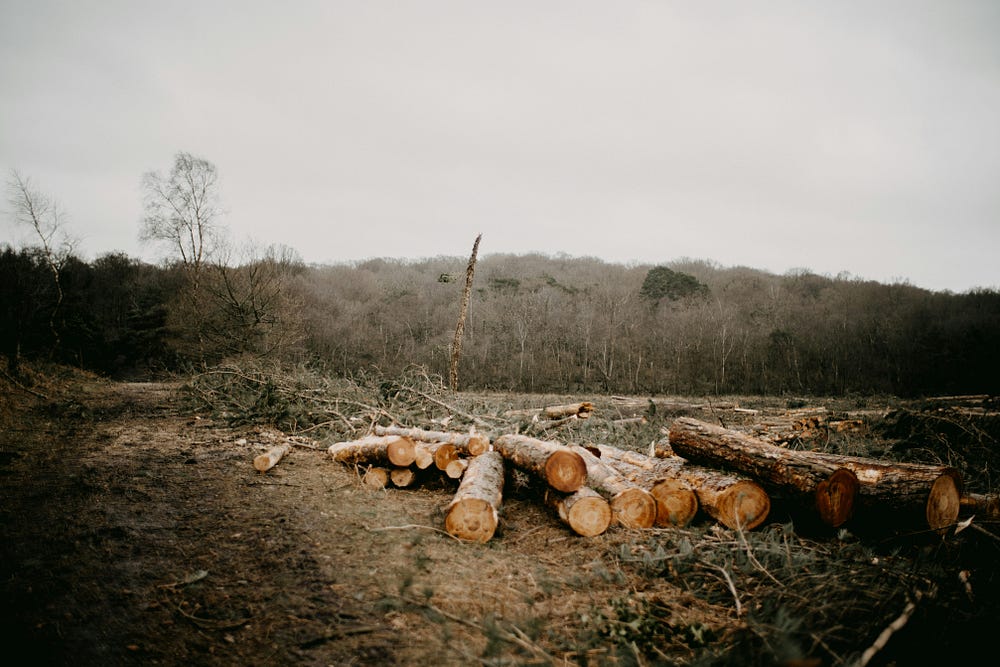
We cut down trees for this reason, too.
We cut down trees to build houses that no one can afford, creating an entire ecosystem that we call a city. The ultimate visual representation of human greed, cities immortalise our taming of nature, where a species that represents a meagre 0.01% of all living things has destroyed much of the world (mountains and rivers and waterfalls and love) and rebuilt its own (skyscrapers and pavements and roads and egos).
It’s taking greed to a whole new level…
How can we solve the problem & let nature prevail?
The only way to live in true harmony with each other is to live in harmony with the world. In order to achieve this and appreciate the value in everything, we must stop viewing nature as our subordinate.
When we realise that we all exist as one, wars lose their meaning.
What was once a fight for land becomes a fight for… nothing. Because we realise that the land was never ours to have in the first place. Like natural resources. As we discussed earlier, gangs are killing each other in Peru for gold because people have the misguided belief that it is theirs to take.
The earth owes us nothing.
So, do away with the capitalist dream. Ditch your city apartment and exchange it for a house by the coast, where you can spend your free time on the beach collecting pretty shells and dipping your toes in the sea. Make home a place where you can partake in more creating and less consuming. Make it a place where you can appreciate the little things. The things that cost nothing but mean everything. The things that you will retell the memories of to your grandchildren one day, with a smile.
Do away with the capitalist dream, my child. This is what it means to live.
No more exploiting nature through our belief that the world exists to serve us, we must acknowledge that, if anyone should be serving, it is us.

 Portfolio of Hope