-
The Threat of AI Models: A War On Art, Fashion, & Culture
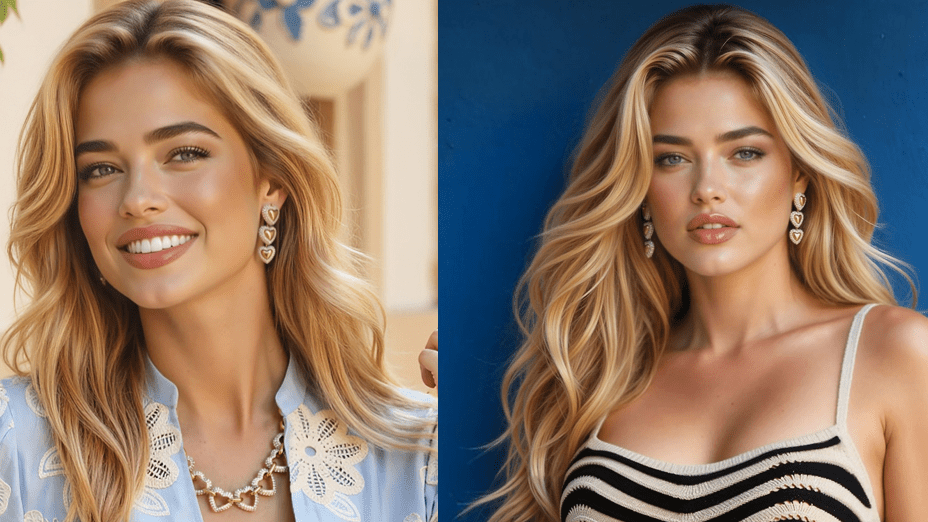
The Western world is seeing a worrying trend when it comes to representation in the media.
Seemingly long gone are the days of the BOPO (body positive) movement, where companies would actually make an effort to be more inclusive.
In the 2010s, for example, Valentina Sampaio became the first openly trans model to walk for Victoria’s Secret, Halima Aden became the first hijab-wearing model in global campaigns, and brands like Savage x Fenty featured plus-size models on the runway.
Since the turn of the decade, however, as the 2010s became the 2020s, we have taken a massive step backwards, having gone from more human to non-human…
Saving costs or losing humanity?
AI is expanding out of the tech industry and into the fashion industry, but why?

Agencies that provide AI models claim that people use AI to save costs. ‘Paying someone to create an AI model is cheaper than employing the real thing.’ The reality, however, isn’t quite so clear-cut. When GUESS, a company that has a net worth of over $700 million US dollars used AI models in its latest Vogue campaign, we realise that the use of AI is, in fact, far more sinister than we are led to believe…
Just think about it. Companies concerned with fashion and/or makeup form their entire business plan around the insecurities that people have, and their promise to provide them with a solution. If everyone were to wake up feeling secure, their business would therefore cease to exist. It is for this reason that we are constantly made to feel as though we are chasing the unattainable.
We’re made to feel as though we’re chasing the unattainable because we are.
We are all chasing that which can never be caught.

Introducing AI to the fashion industry, then, an industry that, as we have established, relies on us chasing the unattainable, well, it was a no-brainer…
Selling unattainable fantasies packaged up as realities.
As seen in Elle, Grazia, Vogue, WSJ, FT, and Harper’s Bazaar, the AI models used in the fashion industry are extremely lacking in diversity. They are predominantly white, thin, twenty-something-year-old women.
Is it, therefore, any wonder that so many people struggle with their self-worth when that which they are told they must strive to achieve is the unachievable?
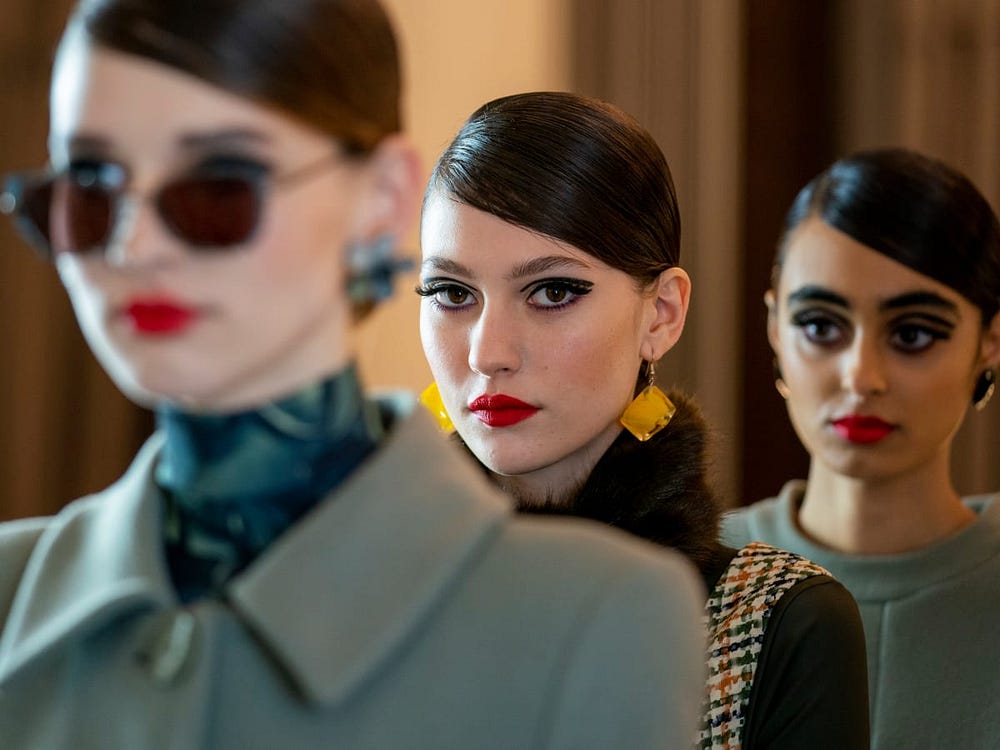
When the founders of Seraphinne Vallora, the agency behind Guess’ AI model, were pressed on the issue surrounding the lack of inclusion of different body types in their campaigns, they explained it away with the excuse that ‘the technology is not advanced enough.’
Bullshit.
If they can make an emaciated model, they can make a healthy one just as easily. Don’t let them excuse away their biases… Don’t let them give away your job(s)…
AI not only poses a threat to consumers but also to service providers.
Seraphinne Vallora lists on its website the benefits of working with them. These benefits centre around its ‘cost efficiency’.
Vallora, the website states, ‘eliminates the need for expensive set-ups, make-up artists, venue rentals, stage setting, photographers, travel expenses, and the hiring of (real) models.’
The question of AI models is therefore not just a question of ‘How will this impact body image?’, but also a question of ‘How will this impact livelihoods?’, hence the backlash surrounding its increasing popularity.
It might be good for profit, but it certainly isn’t good for people.
If there are no human models, all consumption, no creation, then there will similarly be no make-up artists, or photographers, or stylists. Apart from a few people sitting behind a computer, there will be no humans at all.
Where will this leave us?
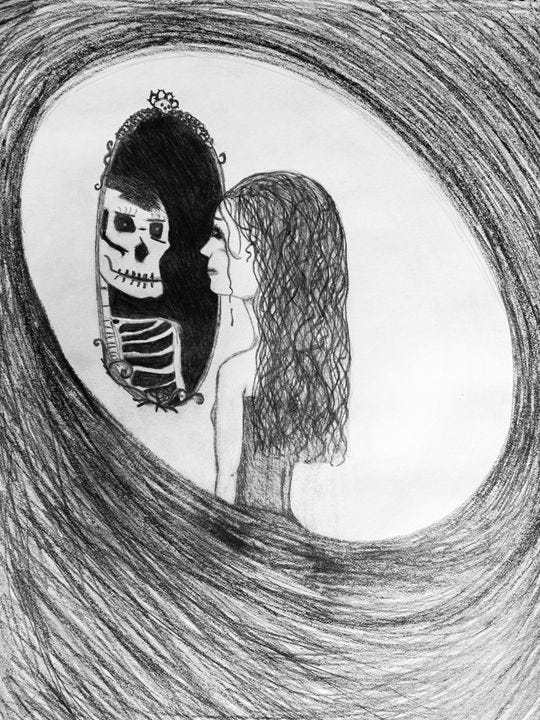
Look in a mirror and you will see yourself reflected; except it’s not actually you, but rather a reflection/something which could never capture the true essence of your being. And the same is true of AI. AI might look human, but no machine could ever hold your light.
Free from human flaws, inconsistencies, and uniqueness, the use of AI in modelling is a war, not only on fashion, but also on art and culture as a whole.
And it is a war that we cannot lose.
-
Lessons from Pompeii: Nature’s Power and Human Fragility

Last week, I had the privilege of visiting Southern Italy with my family. While I very much enjoyed eating my own bodyweight in pasta, pizza, and gelato down the picturesque streets of Sorrento, the highlight for me wasn’t the food, or even the sun, it was our trip to Pompeii.
Pompeii: An experience like no other
I can’t quite describe how it feels to be in a place that is today as it was over 1900 years ago. A 440,000 square metre city frozen in time. Were we wearing a VR headset in a museum? Everywhere we turned, there were remnants of a bygone time. Public baths and changing rooms. Private homes and stables. Even brothels. The most haunting part, however, was the Garden of the Fugitives, which contained the casts of 13 victims, some of whom were young children.
One can only imagine the fear that the inhabitants of Pompeii went through when they saw the smoke from the nearby Mount Vesuvius. As our audio guide informed us, they were caught as they desperately attempted to escape. But to no avail… One might survive the pumice rain, but they would ultimately die from asphyxiation.
Pompeii shows us the fragility of life. Specifically, humanity.

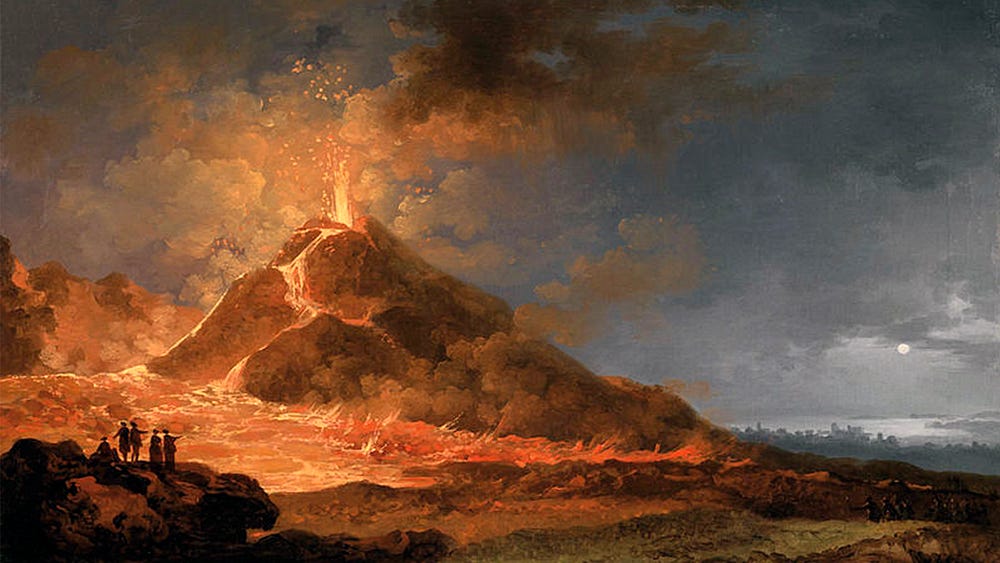
The eruption of Vesuvius in 79AD saw ash and pumice raining down on Pompeii for 12 hours. Those who had not already been killed by the pumice were soon asphyxiated as pyroclastic material — a fluidised mixture of hot rock fragments, hot gases, and entrapped air moving at high speed — followed.
Because Pompeians had no knowledge that they were living next to a time bomb until it exploded (they thought that Vesuvius was just a mountain), they had no time to prepare. And so, just like that, a whole city (and then some — Herculaneum, Stabiae, and Torre Annunziata were also destroyed by the eruption) was brought to its knees in just two days…
Could it happen again?
According to scientists, Mount Vesuvius is due (overdue, in fact) for another major eruption, ‘potentially on a large scale.’
Anticipating this threat, Naples officials have organised neighbouring cities into zones. Those in the “red zone”, of which there are an estimated 700,000 people, must evacuate if the threat level rises high enough.
What does this tell us? It tells us that nature has always ruled, as it will continue to rule.
And so, to the twenty-something-year-old visiting Pompeii to rack up likes on Instagram, filming himself all duck-faced pout in front of a curled-up cast of a dead child, I ask, ‘can’t you see the fable etched into the walls?’
We cannot control nature.

History tells us that the people of Pompeii had one full day to evacuate once Mount Vesuvius started to show volcanic activity. And yet, many of the 2000 people who died decided to stay in their luxurious villas and pray to the Gods instead of evacuating the city.
They valued their materialistic possessions more than the value of their own lives, and they paid dearly for it.
Isn’t that a dark reflection of the tragedies that are currently affecting our world?
Starving the earth to feed the man.
We cannot control nature.
-
Understanding Trans Rights: A Call for Inclusive Dialogue
Recently, I’ve been seeing increasing discourse on social media regarding trans people. Something which is unsurprising, considering that trans rights are being rolled back in many countries.
In the UK, for example, a supposed inclusive, ‘queer-friendly’ country, the Supreme Court, as of April 2025, defines man and woman only in relation to their biological sex. Based on this, the Equality and Human Rights Commission says that the use of public toilets should also be determined by biological sex.
Trans women (biological men) should not be permitted to use the women’s facilities, and trans men (biological women) should not be permitted to use the men’s facilities.
Why are we letting the safety of trans people be compromised for what is nothing other than a point-scoring exercise for desperate, power-hungry politicians?
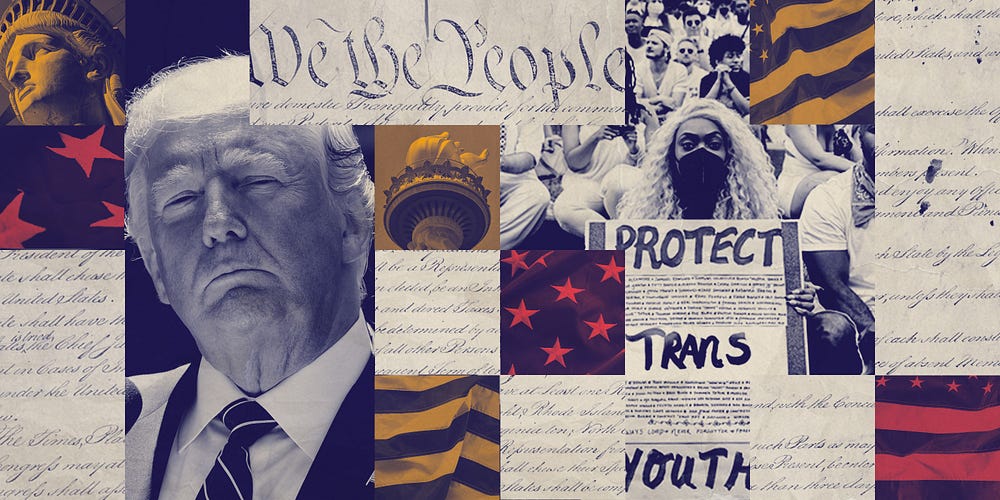
Source Another country that is supposed to be accepting of everyone, given its high-profile status in the Western world, is America. However, like the UK, the USA is becoming increasingly hostile towards trans people.
One of the first things that Donald Trump did when he returned to office in January 2025 was sign an executive order that rolled back trans and non-binary people’s rights.
During his inaugural address, Trump said: “As of today, it will henceforth be the official policy of the United States government that there are only two genders, male and female.”
When such transphobic narratives are being adopted by two of the most powerful countries in the world, the influence that this has on everyone is stark, hence the rhetoric that we are seeing doing the rounds on social media today.
The problem, however, is that the more people are told something, the more they will believe it. And if there isn’t an alternative rhetoric out there, then what hope do people have to realise the truth?
Only when people start speaking up for what they know to be right will attitudes towards trans people, or any marginalised group, for that matter, change.
You can’t change the narrative when the existing narrative is inaccessible.
As this article in the Guardian states, age and education are now the biggest dividers in UK politics, overtaking social class. This is why, during last year’s general election, just 5% of graduates voted for Reform UK compared with 25% of those with qualifications less than an A-level.
When nothing in life is without reason, there’s always a trigger behind why people act the way they act.
Cast your mind back to last year’s fatal stabbings in Southport and the riots that followed. They were awful, full of racism based on a misinformed and incorrect belief that the attacker was an illegal immigrant.
The footage of the riots aired on the news didn’t show people in suits throwing bricks through windows. What it showed was hotels housing asylum seekers being targeted by certain groups of people.

Source In response to the riots, the left rushed to social media to post about systemic racism and racial injustice.
However, when the people doing the rioting don’t understand such terms, how can they be expected to do better next time?
Is left-wing politics too exclusive to people who have had a certain level of education?
When it comes to issues that affect the most marginalised people in society, we can’t be particular about the terminology that we use. We must write and talk in a way that is accessible to the masses to close this trend that we are seeing towards right-wing politics.
Consider the word trans, for example. It’s the word attributed to the scapegoats of the moment, but what does it actually mean?
In order for society to move forward, society must first understand.
The word trans is short for transcending. Not fitting into a category. It is derived from Latin and means “across,” “on the far side of,” or “beyond”. In the context of transgender identity, being trans signifies a crossing or movement beyond the gender assigned at birth.
To simplify the meaning of trans even further, consider where you ‘transcend’ in your own life. You might not relate to transcending gender, but there will be areas of your life that you do relate to in this way.
Like eating food, for example.
Most of us don’t just eat sweet or savoury food, but a bit of each. Savoury for the main, sweet for the dessert. We therefore transcend being either a sweet or a savoury kind of person because we like both.
There are lots of examples that point to this sense of transcending something, and upon realising that, we can all come to understand that being transgender isn’t so alien at all.
Alas, we can only remove the prejudice when we remove the exclusivity.
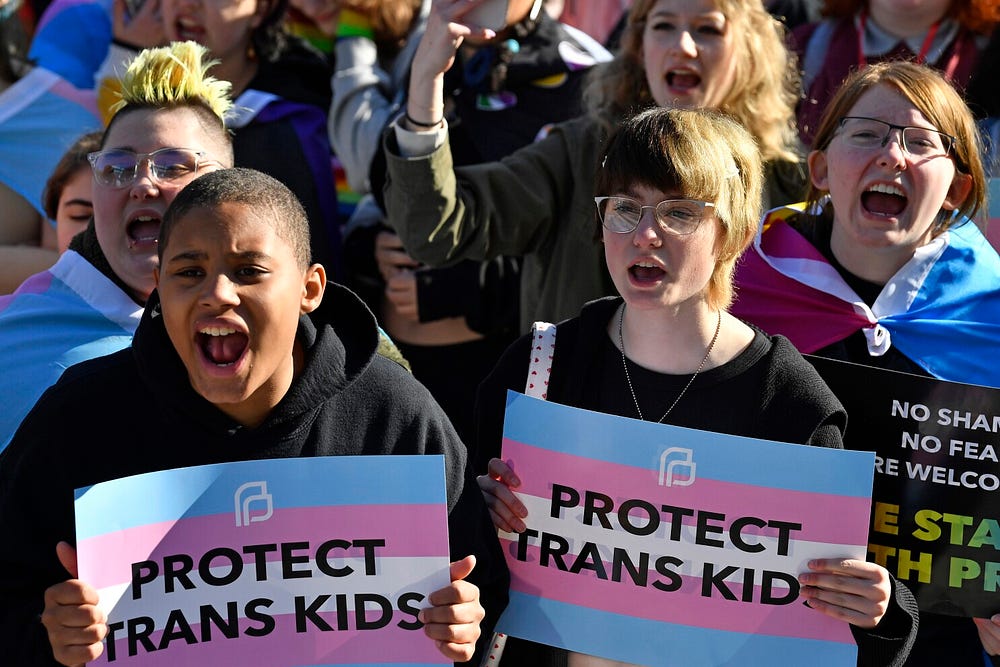
Source As a lesbian, the algorithm shows me a lot of women-loving-women content on the likes of TikTok, and something that, disappointingly, I have been seeing a lot of recently, is lesbians denying that trans people can be lesbians. This comes from people who are ignorant of the different labels that exist in the trans community.
If we refer to our definition of trans again, a shortened word for transcending, to not fit into a category or to ‘move beyond’, there will be some trans people who feel like they move beyond even the category within which they assign themselves.

Source An important differentiation to make in all this discourse is that of trans mascs and trans men.
A “trans man” is a man who was assigned female at birth and now identifies as a man, whereas a “trans masc” is a broader term for individuals assigned female at birth who identify more with masculinity. This can include non-binary and gender-queer people who don’t feel as though they fit in either the male or female categories, but who lean more towards a masculine identity.
Being transmasculine teaches society that gender identity can be flexible with a spectrum of identities.
Transmasculine people don’t always need to be referred to as “he/him”. Some transmasculine people use “they/them”, “he/they”, and sometimes even “she/her” pronouns.
Even someone who undergoes a physical transition to look more masculine can do so without identifying as male. They might simply wish to appear masculine or male-passing to others. It is for this reason that transmasc lesbians exist.
Notice how easy that was to explain? I read a comment on a TikTok video asking how transmasc lesbians could exist when they are trans, so I wrote this article, knowing that not all questions about trans people are questions about their right to exist. Although that is the case in some situations, in many cases, people are simply asking because they genuinely don’t know and want to understand.
To reply to someone asking how a trans man can be a lesbian with loads of abuse is not only a missed opportunity to educate someone on what is a far underrepresented topic, but also a created opportunity for the occurrence of further aggravation and division between cis and trans communities.
Provided that people are willing to listen and open to learn, education and artivism are the only ways to heal a sick society.
-
The Misappropriation of Lesbianism Through The Male Gaze

Being a lesbian is essentially performing drag every day of our lives, in the context that we are everything that society tells us women shouldn’t be, and yet, here we are.
In our refusal to conform to the patriarchy, we are, in the eyes of a heteronormative society, ‘wrong.’
We are ‘difficult.’
We are ‘awkward for the sake of being awkward.’
In our refusal to conform, we are ‘not real women.’
Photo by Isi Parente on Unsplash A lot of men believe that a woman can only be defined as such if she is attracted to men. This is a notion rooted in the patriarchy where women are seen as ‘lesser than’, ‘weaker than’, and subordinate to men, the ‘holy grail’ of humanity.
The funny thing about this is that the same men who consider us weak and worthless without them wouldn’t be here if it weren’t for women bringing them into the world.
The scary thing about this, however, is that it is men who are more likely to take us out of the world…
It’s a sad truth that queer women are more likely to be the victims of sexual assault simply because they are queer.
Around 44% of lesbians and 61% of bisexual women in the US have experienced forms of rape and physical violence compared to 35% of straight women.
To circle back around to the patriarchy again, where men are socialised into thinking that they have the right to all women, a woman who chooses not to be with them is, in their eyes, denying them their right as a man.
‘How dare she not choose me…’
And so, if she doesn’t give, they take. If not her body, then her mind.
Photo by Ruslan Zaplatin 🖤 on Unsplash ‘Can I watch?’ The answer is still no.
The ways in which queer women are harmed by men isn’t just physically but also psychologically. Whether it be through wolf whistles in the street or comments that reduce us to nothing more than objects, the double standards are stark when it comes to queer relationships VS straight relationships.
No man would ever go up to a straight couple and make sexual comments in the way that they go up to lesbian couples, and that’s because they know that, if they did, they’d get punched.
And so, they do it to us instead. The ‘weaker’ sex.

Source Sexist power relies on sexual control, and for a woman not to be subject to that control is repulsive, backwards, disgusting, a ‘true upset of the natural order.’
It is for this reason that straight men fetishise lesbians, but only if they’re stereotypically feminine. Add a butch to the mix and suddenly they’re not interested. The reason for this is likely due to the overt masculinity that butch lesbians portray, something which is the exact opposite of a straight man’s fantasy.
Butches, in the eyes of backward thinking straight men, exist to subvert and corrupt society, turning ‘available’ women into feminists who don’t shave their body hair and demand human rights all the time.
Bringing forth their insecurities, “Even a literal woman is more of a man than I am”, straight men don’t fetishise butches because their presence poses a threat to the social order, of which they [men] reside at the centre.
Alas, it shouldn’t be so hard for men to get their heads around the fact that women do not exist for them. And nor do women ‘need’ them. One must only read up on the orgasm gap to realise this for themselves…
Reading material: Click HERE.
If you don’t have time to click on the link, it’s worth noting the headline:
Here’s How to Give Women Orgasms, According to Lesbians.

Source ‘What sort of woman wouldn’t want a man?’, you ask.
I think the article says it all.
-
What AIDS Taught Us About The Media
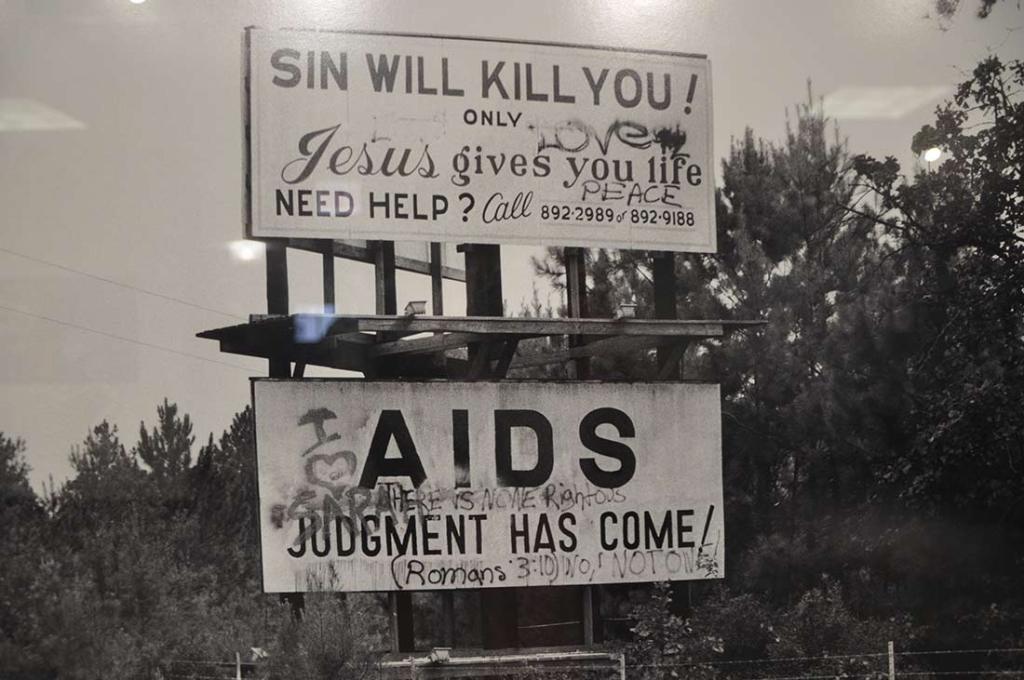
It’s unbelievable to think that less than half a century ago, 44 years ago, to be precise, approximately 330,000 people were killed by a mysterious disease that we now know was treatable…
The first case(s) of aids were reported on June 5th, 1981, and involved five young homosexual men in Los Angeles. The first UK cases were identified six months later, in December 1981.
Initially, the disease was dubbed the ‘gay plague’ and formally known as GRID (Gay-Related Immune Deficiency), owing to its prominence in gay men. It was renamed aids a year later, in 1982. Unfortunately, by then, however, the damage inflicted upon the LGBTQ+ community had already been done…
Fearmongering in the media, a phenomenon that we still see being used all too often today, saw gay people being wrongfully discriminated against for a disease that we now know does, in fact, affect heterosexual people more so than it affects homosexual people.
It is estimated that nearly 38 million heterosexual people are currently infected with HIV (of which aids is a later phase) worldwide. And while we have a treatment for HIV today, the question must be asked: Why did it take until 1996, 15 years and millions of deaths after the initial cases were reported, for effective treatment to be found to protect the immune systems of those who contracted the disease?
It’s God’s punishment. Judgement day has come.
The reason for the delay was undoubtedly due to the ingrained prejudice that existed, and still does exist, in many places, toward gay people.
It’s not a coincidence that a treatment for what was once dubbed an ‘incurable’ disease was only found after it became common knowledge that aids didn’t just affect homosexuals…
The media conceals that which it doesn’t want the masses to know about.
Not only was the media’s reporting of aids being a ‘gay disease’ inaccurate, so too was their lack of reporting on where aids originally came from…
In Africa, HIV–the virus that causes AIDS–had jumped from chimpanzees to humans sometime early in the 20th century. It is believed to have jumped from these animals to humans through direct contact with infected blood, likely through hunting or handling bushmeat. Alas, the media didn’t tell us this. They didn’t tell us that before AIDS was first mentioned in 1982 in the New York Times, people had already been dying of it for at least a decade. Instead, they made homosexuals the scapegoat for the errors of capitalist-driven hunters.
And it’s always due to capitalist-driven hunters…
The HIV/Aids crisis of the 1980s originated from great apes, the 2004–07 avian flu pandemic came from birds, and pigs gave us the swine flu pandemic in 2009. More recently, it was discovered that severe acute respiratory syndrome (SARS) came from bats, via civets, while bats also gave us Ebola and COVID-19.

Source Human behaviour is to blame for the transmission of diseases from animals to humans.
Humans are tearing down forests and hunting, eating, and selling wild animals at unprecedented rates. Each exotic animal shipped across the ocean to be sold as a pet is an opportunity for a new pathogen to take root on a new continent. Each tree ripped from its roots increases interactions between humans and wild animals, therefore increasing the odds that viruses will find new populations to infect.
The bottom line is that the more we change the environment, the more likely we are to disrupt ecosystems and provide opportunities for disease to emerge. It is only when the people in power can live a life that is less about greed and more about peace that our risk of disease will be limited. Until then, all we can do is refuse to remain blinkered.
It’s not enough to just ask the questions anymore. We must, instead, demand the answers.
-
Glastonbury: The Most Spiritual Place In The UK
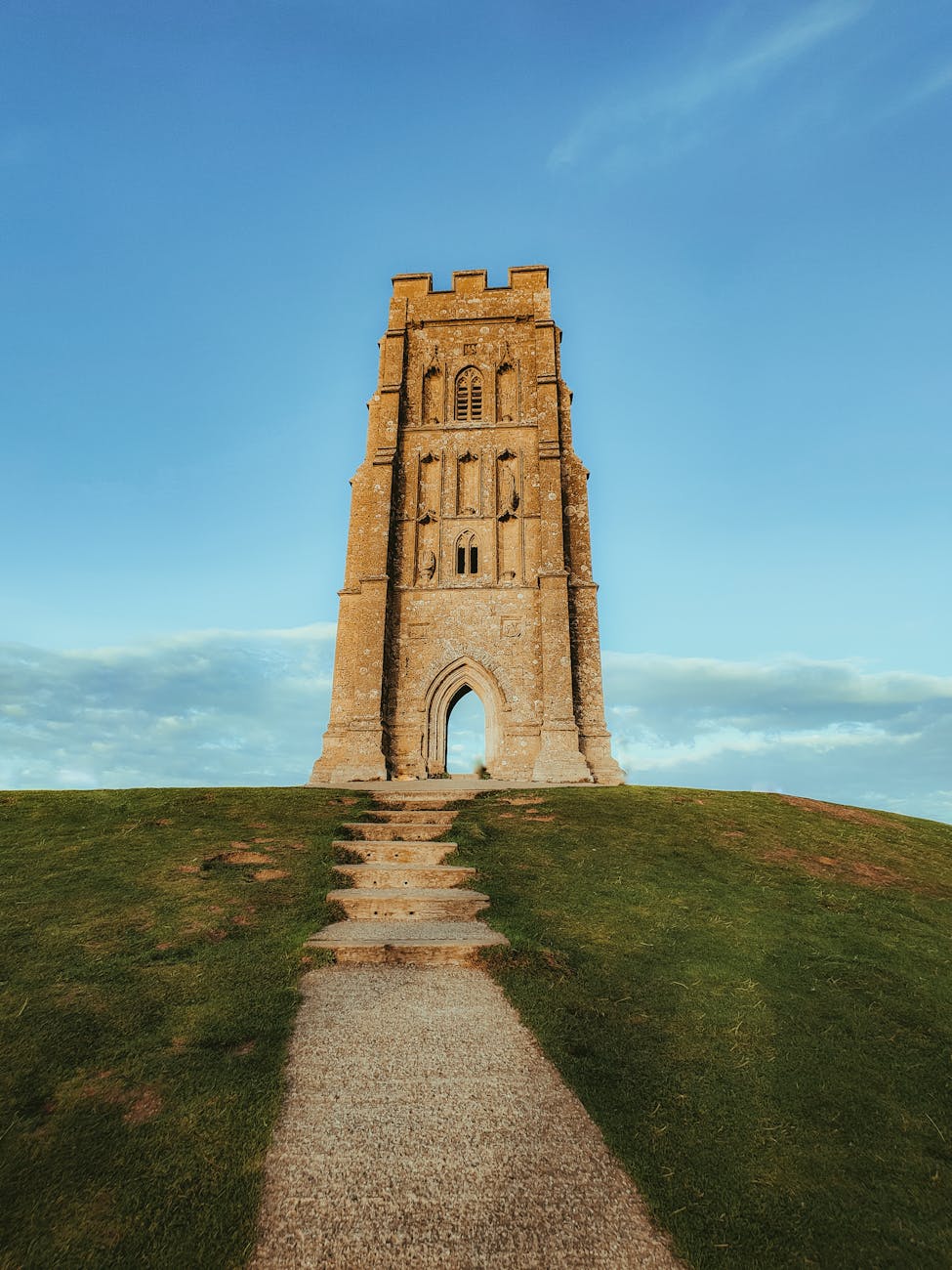
Upon hearing the word ‘Glastonbury’, what do you think of?
Tents and flags? Sex, Drugs, and Rock & Roll? The largest open-air music festival in the world? If so, you’re not alone.
Most people think that Glastonbury is just a festival, when it is, in fact, a spiritual haven (oh, and, fun fact, Glastonbury the festival isn’t even in Glastonbury itself, but Pilton, a small village 6 miles east of Glastonbury)!
Located in the county of Somerset in Southwest England, Glastonbury is a very small town populated by fewer than 9000 people (to put it into perspective, Doncaster, where I am from, is populated by approximately 308,000 people).
Although Glastonbury is small in size, it’s big in energy.
Considered to be the heart chakra of the world and an entrance point into higher dimensions, Glastonbury has a magnetism far in excess of its small size.
Every shop on Glastonbury High Street boasts some variation of spiritualism. Whether you’re browsing inside Man, Myth and Magik for some new incense sticks, finding new books to add to your ‘to-be-read pile’ in The Speaking Tree, or going vegan sweet treat hunting in the Chocolate Love Temple, there is something in Glastonbury for everyone.
What’s more, once you’ve finished mooching around the shops, if you venture a little further away, you will come across some of the most magical sites in Britain.
There’s Glastonbury Abbey, one of the earliest churches in England. Glastonbury Tor, a place that has been a spiritual magnet for centuries. And, of course, there’s Chalice Well (pictured below).
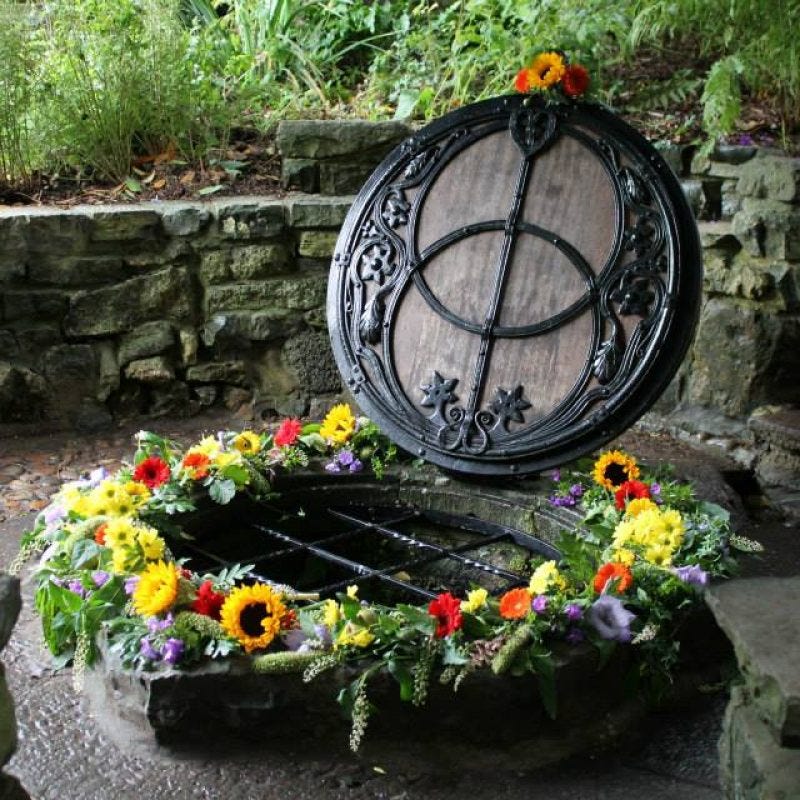
Source As a World Peace Garden, Chalice Well invites visitors of all faiths and beliefs to come together in shared acknowledgment of the sacred and divine that transcends borders and differences.
We invite all people, whatever their spiritual path, religious belief, age, or gender, to honour and celebrate nature and our part in the continuing evolution of this unique and beautiful planet; in peace, unity, and co-creation with all life on Earth.
How beautiful.
This sense of oneness is the lasting impression of Glastonbury that I have, too. What causes such energy to reside in the small English town, however, is a highly debated topic. One theory is that it is due to the ley-lines* upon which the town is built.
* Ley-lines = invisible lines of spiritual or magnetic energy believed to connect significant or ancient sites.
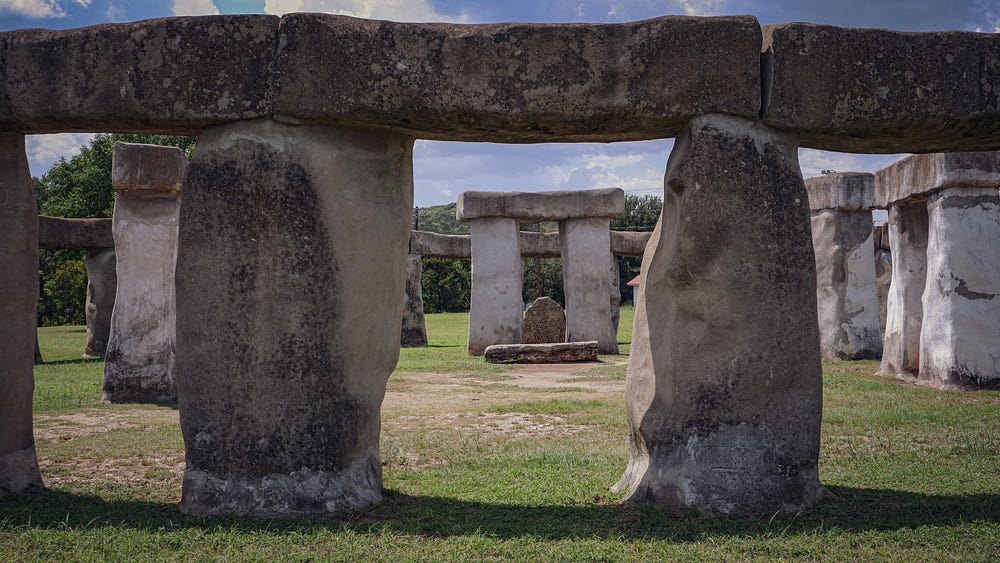
Ley-lines are said to maintain the spiritual integrity of Britain, carrying with them an aura of mystery and magic. It is because of such energy that explains how ancient people chose where to build structures like Stonehenge and Glastonbury Tor. They chose to build upon areas where the lines intersected or aligned, hence why Glastonbury Abbey, for example, is aligned to Stonehenge, despite the latter having been built three millennia prior to the former.
The intersectional nature of ley lines exists as the antithesis to the increasingly materialistic nature of our world.
Only when people can understand ley lines and their ability to reach that which consumerism simply cannot touch, harmony and balance, will people experience the interconnectedness of all life. Until then, we will all remain as hamsters on a wheel, chasing an ever-elusive destination, blind to what exists beyond the illusion.
If only people could see beyond the illusion, however, there would be no more untimely deaths.
(In an attempt to ‘de-paganise’ Stonehenge in the fourteenth century by pulling the stones down, a man was crushed to death.)
There would be no more senseless destruction.
(A few centuries later, people set fire to the stones before pouring cold water over them to create weaknesses that would allow them to break them apart with sledgehammers.)
There would be no more us versus them.
Photo by Brandy Vailes on Unsplash If only people could see beyond the illusion(s), there would, finally, be peace on earth.
-
The World Doesn’t Hate You. Society Does
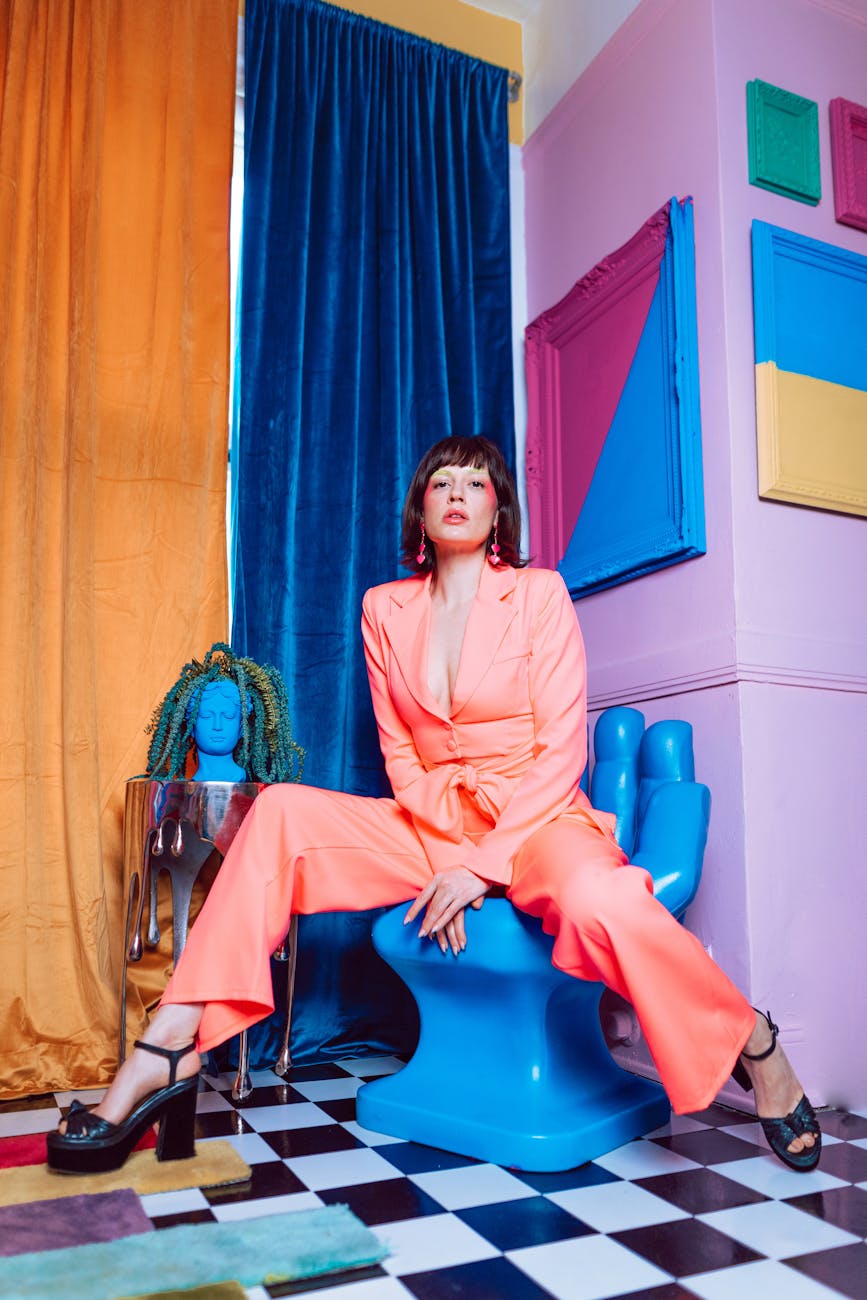
People in power hate nature. They would never admit they do, but the evidence is there in black and white and has been for millennia. One only has to cast their mind back to the witch trials of the 15th to 19th centuries to see this in action…
Witchcraft is rooted in pre-Christian pagan beliefs that view nature as divine and believe in the interconnectedness of all things. A practice centred around worshipping the superpower that exists within the natural world, witchcraft goes against later religions such as Christianity. Presenting fearmongering and forced compliance under the illusion of choice, unlike witchcraft, Christianity is heavily focused on morals and so-called ‘sins.’
Because paganism came first and spoke more about nature, and how nature is the superior force as opposed to some human god, when Christianity became the mainstream religion, witchcraft had to be abolished, hence the witch trials.
Witches weren’t evil or ‘in touch with the devil’, they were good people aligned with the principles of the world. In their mission to achieve one-upmanship of the world, however, people felt the need to distance themselves from witchcraft.
Witches were blamed for all the things that people couldn’t understand, such as sudden illness, floods, droughts, and crop failures. Despite nature being the cause of all these things, because people have consistently believed that humans are ‘better’ than nature, they didn’t think that nature itself could have such an impact on the world (too weak), and therefore they went looking for a scapegoat.
What is the devil, exactly, if not just nature existing in a society that wants humanity to reign?
When humans created religion, to not abide by its scripture and instead listen to the universe is to submit and relinquish our superiority. It’s to be on equal footing with every other creature that roams the earth. It’s to be awakened to the fragility of humanity.
Alas, as birds born in a cage think that flying is an illness, just because something [abiding by humanity’s self-imposed rules] feels familiar, it doesn’t mean that it’s right.
Those accused of witchcraft often displayed behaviours that were seen as ‘argumentative’ or ‘antisocial.’ Even something as simple as being critical of others could see someone being persecuted, because ‘how dare they go against the status quo…’
In total, between 40,000 and 60,000 people were found guilty of witchcraft in Europe. 75% of these people were women.
Given that most of the persecutors of witches were Christian, it has been suggested that the portrayal of women in the bible is what led to so many more women being accused of witchcraft than men (in the bible, it is Eve who is tempted by Satan to eat the forbidden fruit). Generally, the only times that men were accused of witchcraft were when they were charged in connection with a female witch, as their spouse, child, or sibling, for example.
Alas, as the idea that witches were women and the cause of all of society’s unsolved problems spread, so too did the witch hunt.
The snowball effect
We have seen the same thing happen time and time again. The bigotry gets old, but the problem persists.
Despite what Christians would have us believe, witches were not ‘products of the devil’; they were products of an uneducated group of people who spread their lack of intellect onto another group of uneducated people who spread their lack of intellect onto another.
Only the first group of witch hunters know why they did what they did, because the witches’ closeness to nature, and therefore the truth, scared them; the others merely jumped on the bandwagon and, like a game of Chinese whispers, were told several things, of varying mistruths, along the way.
It’s always the enlightened ones who are punished, because ‘How dare you stray from the status quo.’
As witches were punished for being at one with nature yesterday, so too are queer people punished for being at one with nature today. Not because either is objectively ‘wrong’, but because a small group of people have made enough noise, over time, to convince the world that they are.
Society has convinced us that gender roles actually mean something (or rather, a small group of people turned big group of people have convinced us so) … They have convinced us that the conditions of male and female are dependent on things as superficial as our hair length and our choice of clothing. ‘If you have long hair and wear dresses, you’re a girl. If you have short hair and wear suits, you’re a boy.’
We have been fed the lie that gender itself actually means something when really it is nothing more than a social construct.
I’ve been called sir when I’ve had long hair and ‘darling’ when I’ve had short hair. I’ve been called gay by youths when I’ve been with a man and nodded at by OAPS when I’ve been with a woman. It’s not about how we look at all. It’s about who’s looking.
Don’t let one bad apple turn the whole world sour.
The world doesn’t hate queer people, despite what we are seeing in the media. And nor does it hate immigrants, or witches, or any other marginalised group. If it did, then why would the animal kingdom have so much evidence of queer life within it? If the world ‘hated’ queerness so much, then surely it would make everyone and everything straight… And similarly, why would the world have split itself up into continents 200 million years ago? If the world hated immigrants so much, then surely it would have stayed as one supercontinent, Pangaea, so that no one could immigrate.
In our longing to understand the unfathomable complexities of the universe, whatever the world tells us, we strive to do the opposite, giving ourselves a superiority complex as we believe that we are better than nature.
‘If the animal kingdom is queer, then humans are straight. As if the world is separate, then humans should not immigrate.’
The world doesn’t hate queer people or immigrants or witches, society does, and that’s why they make scapegoats out of them. Because they are so aligned with nature, fluid and free, they mirror the world that people so desperately want to distance themselves from.
Unapologetic in their refusal to conform, queer people, for example, do not care for the frivolities of aligning with a socially constructed idea of gender or sexuality. Unfortunately, however, the impact of religion has ingrained itself into the minds of one too many people who do care about such things. Too many people believe the patriarchal spiel of the bible, ‘A man should not lie with a man’, and it is such steadfast beliefs that lead to hate crimes.
Despite the coverage in the media at the moment, whereby reports of an increasingly right-wing world are taking centre stage, there are, in fact, far more kind people in the world than there are evil.
It’s unsurprising, however, when we are constantly being fed the rhetoric that ‘everyone hates transgender people’ and that ‘everyone thinks that being gay is a sin’, that people, in their bias to ‘fit in’ (how ironic), either A) join in with spreading this hateful narrative, or B) believe it.
You don’t see journalists reporting on the people who stepped in to stop the two lesbians on a train from being further assaulted; you just see the images of their busted noses and blood-covered clothes. Similarly, you don’t see reporters interviewing trans activists who are doing great things, setting up businesses, and fundraising for gender affirming care; you just see the interviews on violations to trans rights. It’s important to report on these things, of course, but it’s also important to report on hopeful things, too, for if you don’t, then people lose that hope.
‘If the whole situation is hopeless, then there’s no point in acting.’
Alas, in the media, we are only ever shown one side of anything. One narrative. And that narrative is always the one that upholds the status quo. Why? Because, as humans, we long for familiarity. Finding comfort in the constant, we forget that, if only we dared to strive for more, life would open up to us in unimaginable ways.
We forget that outside of the newspapers reporting on yet another homophobic attack, there are countries decriminalising homosexuality, and gay couples getting married when, just over a decade ago, that was a distant dream, even in the UK, one of the most progressive countries in the world. We forget these things because we’re not told these things. To find these things out, we must go looking for them, since positive news stories never make the headlines. It’s always the doom and gloom that sells.
When hate crimes can only take place when enough people with the same bigoted views share a mission and lack enough intellect to carry it through, hopeful stories must also be covered in the media.
Not knowing about the positive stories sees society painting a picture of hopelessness, which isn’t the case at all. Times might be hard, but there is always hope. Sometimes, you just have to peer through the cracks for just that little bit longer in order to find it…
-
What It Feels Like for a Girl Is The Best Coming of Age Series This Year
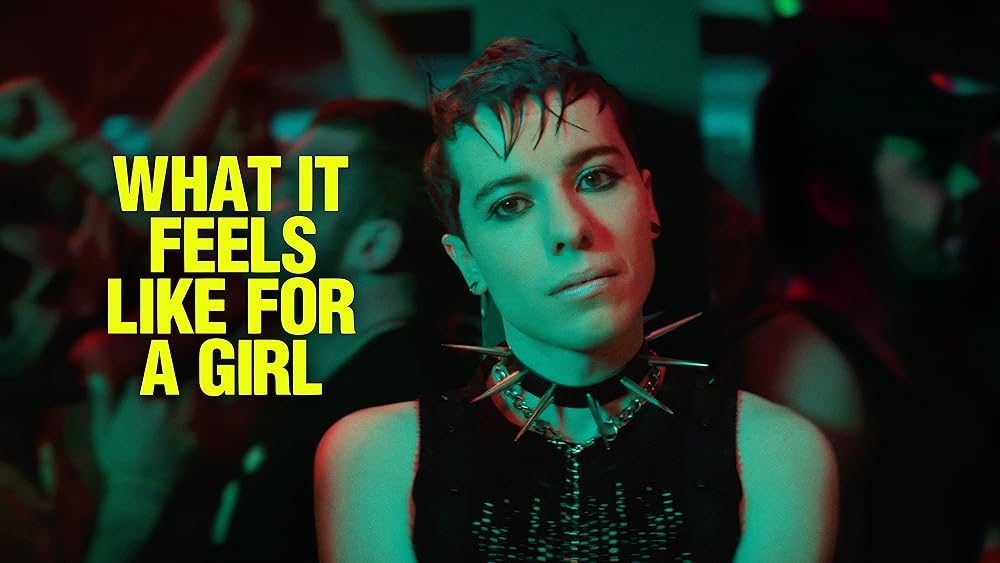
‘When you force people into the shadows, don’t be surprised when they go fucking dark.’
What It Feels Like for a Girl is the name of the newly released mini-series (Director: Brian Welsh, Writer: Paris Lees), on BBC iPlayer.
Based on the true story* of that of Nottingham-born trans woman, Paris Lees, it is a beautiful portrait of queer life in the early 2000s.
*What It Feels Like for a Girl was first told in a bestselling memoir of the same name.*
Lees, although now regarded as a highly successful journalist and a woman of many firsts (Lees was the first trans columnist to write for Vogue, for example), struggled a lot in her early years. The series, with its use of flashbacks throughout, shows us these struggles through the lens of Byron (played by 28-year-old Scouse actor, Ellis Howard).
In What It Feels Like for a Girl, we see Byron struggle with gender dysphoria from a very early age. Instead of being reconciled, though, their struggle is dismissed by their ‘macho’ father (Michael Socha), who considers Byron’s effeminacy to be a threat to his own masculinity. This fear is magnified when they reside in the very working-class Nottinghamshire town of Hucknall…
It’s perhaps unsurprising, then, having learnt about Byron’s controlled upbringing, that they went ‘off the rails’, as some might put it, at a similarly young age.
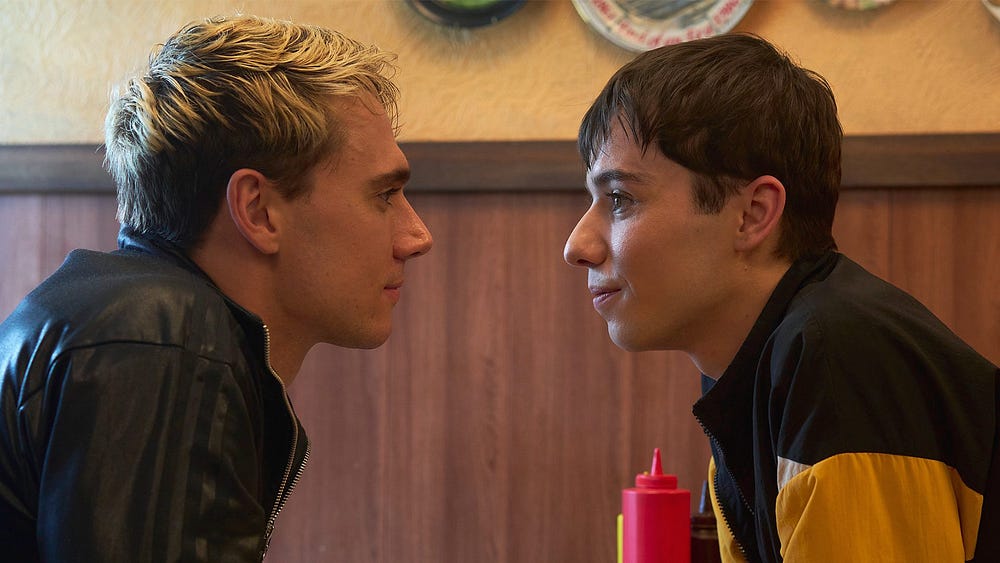
Source Having been told their whole life that they were ‘wrong’ simply for existing, Byron sought solace anywhere they could find it and, aged just 15, became a pimp for their older boyfriend Max (played by Calam Lynch) who groomed them into sex work.
As a rent boy, Byron was repeatedly exploited by older men who paid for underage sex in public toilets; ‘Ucknall’s finest. Byron’s pals, a group of like-minded trans and queer folk, however, the ‘Fallen Divas’, had Byron’s back every step of the way.
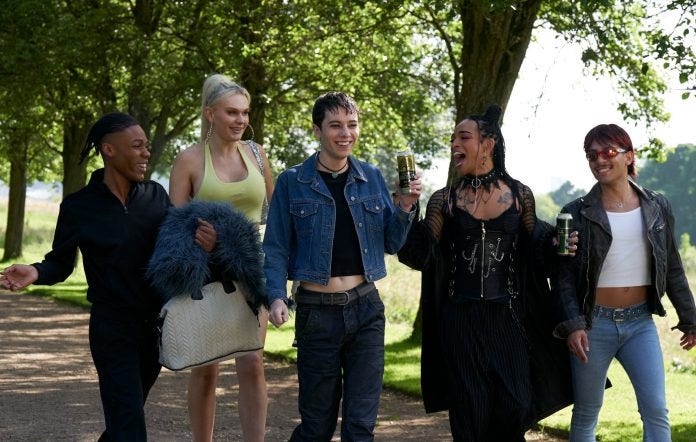
Source By no means marketed as being ‘just another sob story’, the focus of What It Feels Like for a Girl is not on grooming (as Paris said herself, it wasn’t until she read a review following the release of her memoir that she even recognised that what was happening to her was abuse), but on queer joy.
Through their friendships with the Fallen Divas, a bunch of chaotic, queer misfits, Byron comes to understand, finally, that they were, and always have been, a woman.
Welcome home, Paris…
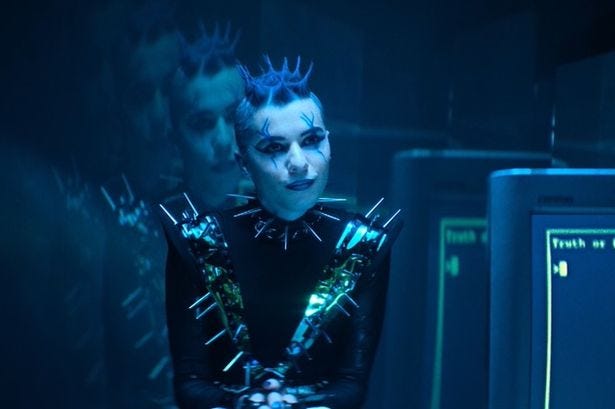
Source Art at its rawest, at a time when trans rights are seemingly going in reverse, What It Feels Like for a Girl can be described as nothing other than a breath of fresh air.
As Ellis Howard, the actor who so beautifully portrayed Byron/Paris, said in an interview with the Digital Spy, ‘What It Feels Like for a Girl humanises a trans story, and gives a voice to a marginalised community that’s under attack.’
Whilst it is a deeply scary time, what the show hopefully does is offer some light amongst the darkness. The world is on fire right now, and this ragtag gang, this bunch of kids, are dancing in the flames. They’re not going down without a fight, and I think that is a really gorgeous thing, the energy of that, to hold onto.
-
The Antithesis To Depression
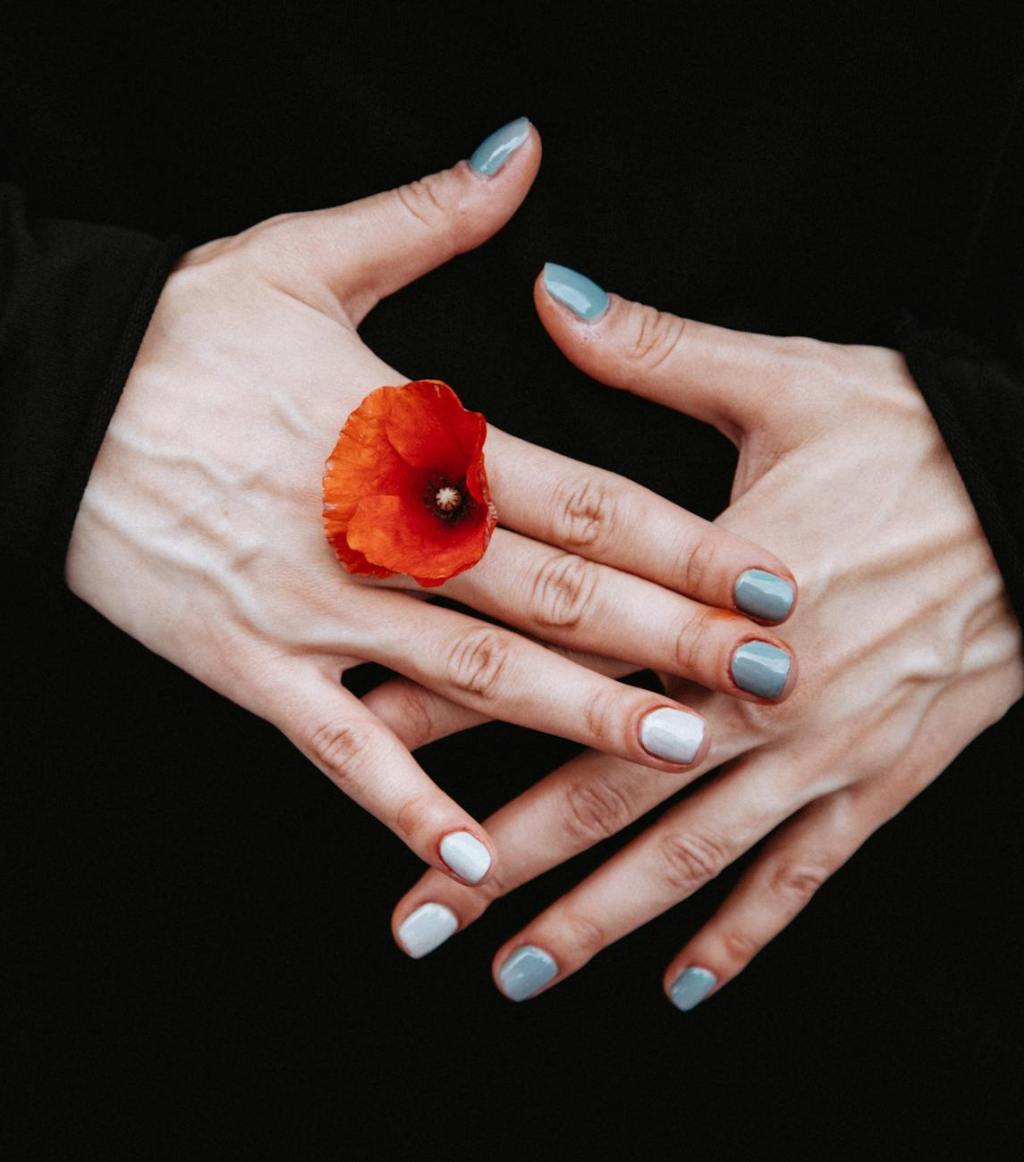
‘What should I wear?’
‘Who should I channel today?’
Never content with ourselves, we’re seemingly always trying to be someone else in a society that loves to inform us of all the ways that we’re lacking.
This age of comparison is eating away at us.
Stripping the soul from the vessel, based on the trajectory that we’re on, we’ll be gone before we die. Lugging a dead weight around where our souls used to be, the bones that we carry on our backs will be the only proof we have that we’re still alive.
Social media has exacerbated this problem tenfold. We can’t just live anymore; we’re constantly under scrutiny, scrolling our days away, hoping to reach the ever elusive* state of enoughness. But to no avail…
*Ever elusive because it’s unachievable. Like a bald man going for a haircut, going in pursuit of ‘enoughness’ is a losing game. You cannot attain that which you already have. You cannot become that which you already are.
If you are living as your true self and showing up only for you, then you cannot add or take anything away that will make you more or less enough. Only when you sacrifice the things that make you truly happy for the things that society tells you will make you happy does that change…
The good news? That, should you find yourself in this situation, you can take something away to make you feel more enough (or rather, more you). To do this, though, requires that you do one of the most difficult things in life (aside from the obvious, realising that you were enough all along)… It requires you to differentiate between what and who you think you should be versus what and who you want to be. Get this right, and the former, realising that you were enough all along, comes easy…
Change society, don’t let society change you.
Society loves to tell women that they should be losing weight. I can quote diet ads off the top of my head, and that’s as someone to whom diet ads should’ve been going nowhere near.
I know where to go for Botox and lip filler, and what we are being sold to us as the holy grail, Ozempic. I know these things as a twenty-three-year-old woman, but I also knew them as a 14, 13, and 12-year-old girl, something which undoubtedly contributed to me being diagnosed with Anorexia Nervosa at the age of 15.
While, thankfully, I am recovered now, tragically, one in four people with Anorexia don’t live to tell their story. The question, therefore, must be asked…
Would the same people who commodified our bodies yesterday stand up in court tomorrow and give evidence as to why having cash was more important to them than having a conscience?
Those who obsess about our bodies don’t just reside in the weight loss and beauty industries. They can often be seen occupying a seat in the back benches of parliament, too.
Society’s obsession with our bodies isn’t just about how we look. It’s also about who and how we love.
Sexuality, gender, and women’s bodies… Have you noticed a pattern yet? They’re all things that we actually have a semblance of control over, which is a rarity in today’s society.
It’s rare to have any control…
And so, because the people in power know that what goes into and on our bodies is ultimately controlled by us, they panic and try to strip us of that control.
It’s why transgender people are demonised in society, for there is nothing more radical in a world that demands we follow the rules than people who, not only create their own rules, but dismantle them. The same is true of queerness in any respect.
To be queer is to stand up and say ‘fuck you’ to systems that have existed for millennia, the patriarchy, heteronormativity, misogyny, all things which are, some might say, the very foundations of society.
To be queer is to go against the ways of the world, knowing that all it takes to change a current is one wave.
Writing from personal experience now, I denied who I was for a very long time, squirreled all the parts of me that made me happy away in exchange for a sense of belonging in a community within which I never could belong.
You can’t force yourself into a category that isn’t designed for you. It won’t work.
It was only when I let go of all the pressures and unrealistic expectations that I’d been holding myself to because I believed that I had to be something and someone that I wasn’t, that I truly found myself.
I didn’t find myself in Anorexia, or forced heterosexuality, or gender compliance, I found myself in everything that society hates ‘people like me’ (see also: people who are happy) for.
I am the epitome of what society tells us we shouldn’t be, yet I am happy. And so, surely that tells us everything we need to know…
Eat what you want to eat, wear what you want to wear, love who you want to love, be who you want to be. When gender and sexuality, and people full stop, are essentially nothing more than social constructs, don’t deny yourself happiness in pursuit of that which is make-believe.
The closet, however, is an awful place to die.
-
The Kinder Scout Mass Trespass
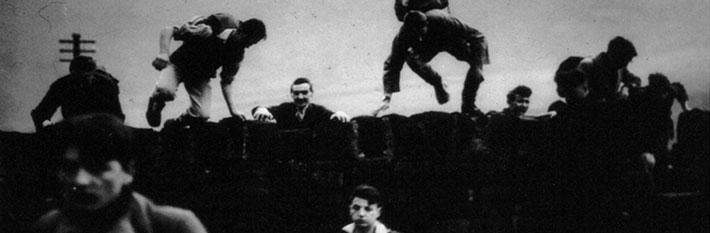
People have been campaigning against the restrictions on our freedom for decades, albeit to varying success.
The first demand for the right to roam was made in parliament in 1884 with the Access to Mountains Bill. It was unsuccessful, but the fight for reform had begun.
Welcome: The Kinder Scout mass trespass.
In the 1930s, Kinder Scout and much of the surrounding moorland was owned by the Duke of Devonshire and was kept for grouse-shooting. Access forbidden. That was until the 24th of April 1932, when around 400 ramblers hiked across the moorland of Kinder Scout in defiance of landowners’ restrictions.
They risked their freedom for our freedom.
The overarching message of the walk, one that was to become a pivotal moment in the history of public access to the countryside in Britain, was this: Lift the limitations on public access to open spaces and give us back our right to roam.
Although five individuals were arrested for ‘breach of the peace’ following the trespass, its overall impact was positive.
Two years after the Kinder Scout mass trespass, the UK’s first national park, the Peak District, was created. And one month after that? The Lake District.
Belinda Scarlett, who manages the Working-Class Movement Library, said the event was ‘one of the most important examples of direct action of the socialist and communist politics of the 1930s.’ Lord Roy Hattersley (2007) went one step further in describing it as ‘the most successful direct action in British history.’
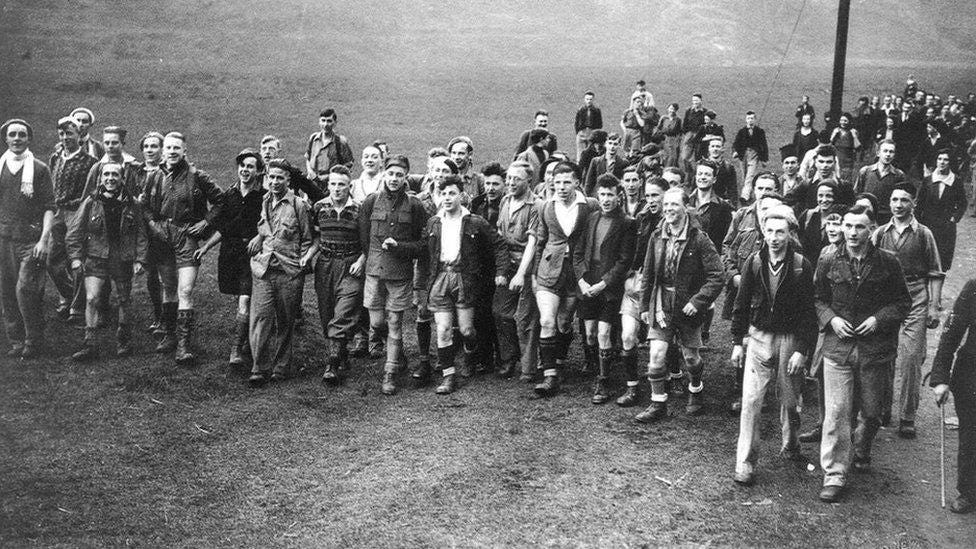
Source Despite the success that the Kinder Scout mass trespass undoubtedly had (in the years prior to 1932, only 1% of the Peak District was accessible, and there were only seven legal paths running through it), the campaign for greater access to our countryside and the right to roam in our wild places continues.
The “Right to Roam” act that was introduced in England in 2000 grants the public the legal right to walk on designated areas, but when those designated areas account for only 8%* of all land, (92% of the English countryside still remains out of bounds), evidently, it’s not enough.
*What’s more, to make matters even worse, 8% of this so-called ‘designated open access land’ is surrounded by 2,700 hectares of private land. Instead of being a public right of way, it has been privatised, fenced off, and firmly held under the control of a small number of rich landowners.
As it was all about greed then, it’s all about greed now. The only difference? Instead of grouse shooting as it was then, now it’s all unaffordable new build house hunting.
We still have our right to roam restricted to us by greedy landowners who prioritise lining their pockets above all else, hence why up to 70% of ancient woodlands have been destroyed in the process of increasing urbanisation.
Protected land, that being land with a special legal status where building is generally prohibited, has declined to just 2.93% in recent years. It is perhaps therefore unsurprising, given such a statistic, that the UK is amongst some of the most nature-depleted countries in the world.
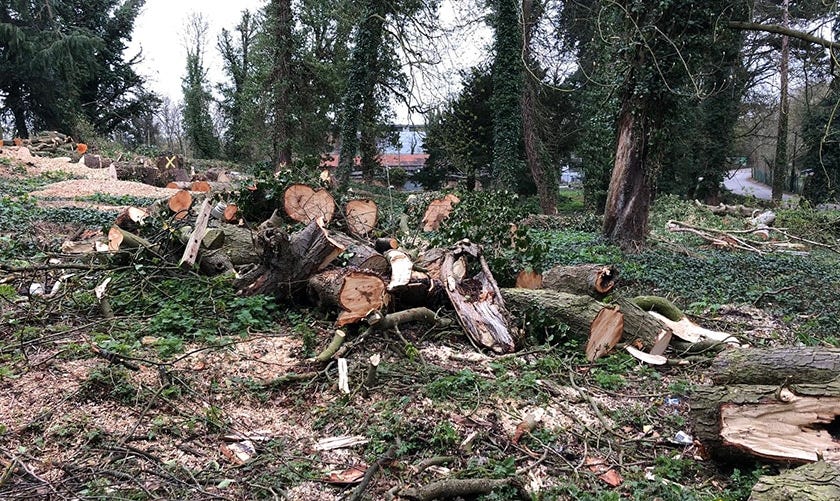
Source While there’s no disputing the fact that people need houses, there’s also no disputing the fact that we all need nature…
The housing crisis is more a crisis of greed than a crisis of needing houses, because the houses already exist! The problem, therefore, is not related to the UK having too few houses, but too many private landlords and developers who, driven by profit, snatch up existing stock and inflate prices to unaffordable levels.
The few benefitting at the expense of the many, it’s, all too sadly, a recurring theme…
Nothing much has changed since 1932. They called out the rich men for denying them their right to access their home, as we call out the rich men for denying us the right to access ours.
Whether in nature or brick and mortar, we cannot stop campaigning until we are all on the same page…
What’s ours is ours.

 Portfolio of Hope